
The Bulldog Seeds x Mills Nutrients: Why More Growers Are Choosing Organic Cannabis

More growers are paying closer attention to what goes into their plants, and fair enough. Around here, we like to say our plants are what we feed them. No, it is not a famous saying. It is just one we have been repeating often enough that the team at Mills Nutrients heard it and told us to stop talking about it unless we were going to mention the Mills Organic Line properly when talking about growing organic cannabis. There is no preaching here. If your current setup is doing the job and keeping you happy, carry on. But if you want a cleaner approach and better control over what goes into your crop, organic growing is worth a look. Whether you are growing cannabis, fruit or vegetables, the basic idea stays the same. What you put in is what you get out. Give the plant a healthier environment to grow in, and the results tend to speak for themselves. If you are still weighing it up, here are six good reasons to grow organic cannabis. 1. Organic Growing Starts with Cleaner Inputs One of the biggest reasons growers move towards organic cannabis is simple: cleaner inputs. When you cut back on chemical-heavy feeding and unnecessary pesticides, you have more control over what ends up in the final crop. That matters whether you are growing for flavour, quality or just peace of mind. That is where the Mills Organic range fits best. It gives growers a cleaner route in without making the whole process harder than it needs to be. Organic cannabis plants in soil under grow lights in a clean indoor cultivation space 2. Better Flavour Starts in the Soil Ask enough growers, and you will hear the same thing: organic cannabis often smells richer and tastes fuller. We are not here to start a fistfight over it, but healthy soil, active microbes, and a steady organic feed can all help push a richer terpene profile, which is where much of the character lives. That is part of what makes the Mills Organic setup appealing. The range is small enough to stay manageable, with Base handling the core work and Bloom stepping in as flower development becomes more important. 3. Organic Growing Makes More Sense Long Term This part is not complicated. If you are working with organic inputs, living soil, and a more natural approach to pest control, you are usually making a more sustainable choice than constantly reaching for synthetic fixes whenever something looks a bit off. That does not mean organic growing is effortless or magically self-running. You still need to pay attention. But when the soil, microbes and wider environment are all pulling in the same direction, the whole grow tends to feel more balanced and less forced. That is another reason the Mills Organic range fits the conversation. It suits growers who want a simpler route into organic growing without making the feed routine harder to manage. 4. Work With Nature, Not Against It A lot of the appeal of organic growing comes down to mindset. The answer is not always sitting at the bottom of another bottle. Instead of throwing products at every slight change, organic growers usually try to build better conditions from the ground up. Healthier soil means stronger roots, and a steadier root zone tends to do much of the heavy lifting before small issues turn into bigger ones. That is really the point. You are not trying to bully the plant into behaving. You are giving it a better environment to do what it already wants to do. For plenty of growers, that alone is reason enough to take organic seriously. A simpler setup makes the grow easier to read, so you can pay attention to the plant instead of constantly second-guessing the feed chart. 5. You Know Exactly What Goes Into Your Plants When you grow organic, the whole process usually feels more intentional. You are paying closer attention to the feed, the soil, and how the plant responds, which makes it easier to stay on top of what is actually going into your crop. If you are growing for yourself, that peace of mind counts. If you are growing to share, it helps to know you can stand by the final product. Quality matters at every stage of a cannabis grow. The better the inputs, the stronger the foundation. That is part of the appeal of a tighter range like Mills Organics. It is easier to stay confident in what you are feeding, because the setup is clearer from the start and easier to stay on top of through the cycle. 6. Growing Organic Cannabis Teaches You More The more time you spend growing organically, the more you start noticing the small things that actually matter. Soil health. Moisture levels. Microbial life. Pest pressure. Root development. You stop just feeding plants and start reading the whole environment a bit better. That is one of the biggest long-term benefits of growing organic cannabis. It changes the way you approach the crop. You become more attuned to what the plant is doing, what the soil is doing, and where the balance lies. Once that clicks, it tends to carry over into everything else you grow as well. A straightforward feed line helps with that. It gives you more room to focus on the plant rather than getting buried in bottles, ratios, and guesswork. Final Tokes: Growing Organic Cannabis with Mills Nutrients x Bulldog Seeds When it comes to growing organic cannabis, personal preference always has a say. Some growers will stick with what they know and have no reason to change. Fair enough. But if you want a cleaner approach, a better sense of what is going into your plants, and a grow that feels a bit more connected from soil to harvest, organic growing has plenty going for it. That is where the Mills Organic range comes in. It keeps things simple and makes it easier to focus on
Why Does Cannabis Sometimes Smell Like Beer?
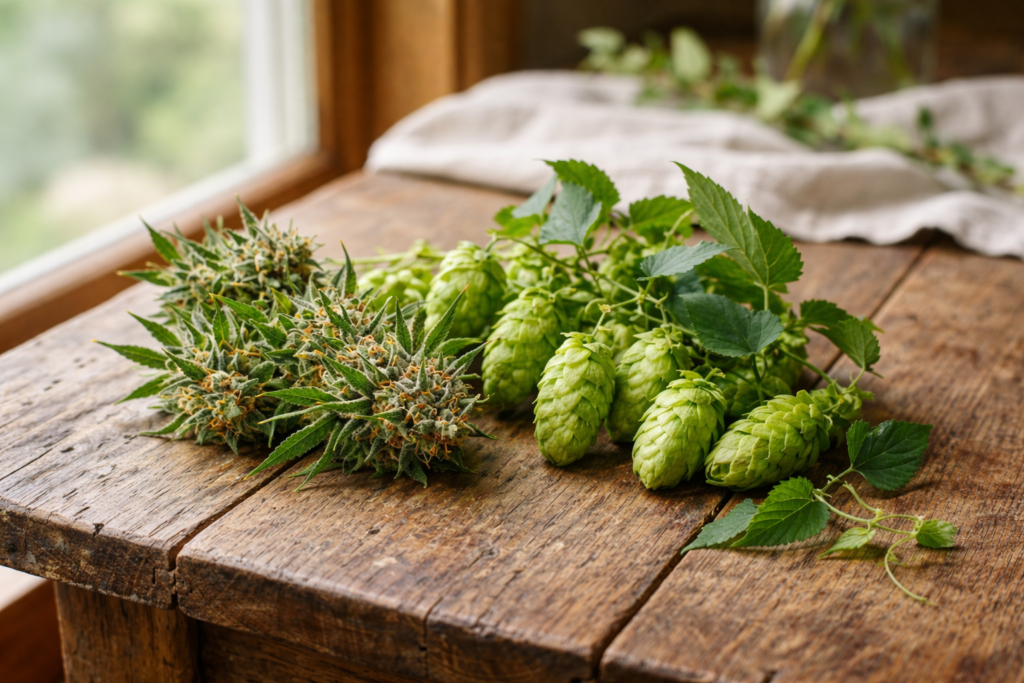
Ever cracked open a jar and caught a smell that reminded you more of a fresh pint than a bag of weed? And maybe thought, why does cannabis sometimes smell like beer? You are not imagining it. Some cannabis strains can give off aromas that land surprisingly close to beer, especially when the terpene profile leans earthy, herbal and slightly hoppy. There is a good reason for that. Hops and cannabis are botanical cousins, like a pair of buddies in The Bulldog Hotel, and they can share some of the same aromatic compounds. So if you have ever rolled through The Bulldog Palace after a long night and caught a whiff that felt weirdly pub-like, there is a decent chance terpenes were doing the talking. This is where the terps get to work. Some of the same terpene compounds found in hops can also turn up in cannabis, which is why some strains carry that earthy, herbal, slightly dank edge that can feel closer to a pint than a coffeeshop. It is not that your weed has turned into lager. It is just a matter of working with some familiar ingredients. Why Hops and Cannabis Can Smell Similar The short answer is that hops and cannabis are related. They belong to the same plant family, which helps explain why the smells can sometimes overlap. Not every strain will remind you of a pint. Still, some can drift into that lane with notes that feel herbal, earthy, bitter or slightly dank in a way beer drinkers tend to recognise straight away. That overlap gets stronger once you look at terpenes. These aromatic compounds shape how a strain smells and tastes, and they appear in both hops and cannabis. So when a strain gives off that hoppy edge, it is not some strange accident. It is just the same sort of aromatic language turning up in two different places. This is also why some cannabis strains smell less like fruit sweets and more like something that belongs in a bar. Citrus strains are one thing. But earthy, herbal, peppery or musky profiles can land much closer to beer, especially if you are dealing with a flower that has a deeper, more old-school kind of funk. The Terpenes Behind That Beer-Like Smell If one terpene deserves most of the blame here, it is myrcene. This is one of the most common terpenes in cannabis, and it also shows up in hops. It is known for bringing earthy, musky, herbal notes, which is exactly why some strains can drift into that hoppy, almost beer-adjacent territory. Myrcene is not doing all the work on its own, though. Depending on the strain, you can also get help from terpenes like caryophyllene, which brings a peppery, spicy edge, and pinene, which adds that fresh green sharpness. Put those together in the right mix, and the profile starts landing much closer to beer than fruit. That is why some cannabis flowers smell bright and sugary, while other strains come off earthier, heavier and a bit more bitter around the edges. It all comes down to the terpene profile. If the mix leans herbal, musky and spicy, you are much more likely to get that smell that makes you stop and think, hold on, why does this remind me of a pint? Which Cannabis Strains Can Smell More Like Beer? Not every strain is heading in that direction. If you are dealing with something loaded with citrus, candy or tropical fruit notes, the beer comparison usually falls apart quickly. But strains with earthy, herbal, peppery or musky terpene profiles are far more likely to land in that hoppy overlap. That usually means looking towards strains with a bit more depth to them, rather than anything that smells like a bag of sweets. Think less fruit salad, more dank, woody, spicy or slightly bitter. Those are the kinds of profiles that can blur the line between cannabis aroma and something you might expect from a fresh pour. In The Bulldog Seeds lineup, TB Gorilla Auto makes sense here because of that earthy, pungent edge. TB Wedding Cake also fits the conversation if you are chasing something with more weight and depth in the profile. They are not going to smell exactly like a lager, obviously, but they do sit closer to that earthy, hoppy side of the spectrum than sweeter strains do. Why One Person Gets Hops and Another Gets Citrus Part of this comes down to what your nose picks up first. Some people lock straight onto citrus. Others notice spice, pine or that deeper musky edge before anything else. If you already know the smell of hops well, because you spend enough time around bars, breweries or the occasional cold one at The Bulldog Hotel Lounge Bar, you are likely to catch the similarity. That is why terpenes are worth paying attention to in the first place. Two people can smell the same flower and describe it completely differently. One gets lemon peel. Someone else gets herbs, pine and a beer garden. Neither of them is necessarily wrong. They are just picking up different parts of the same profile. Final Tokes: What’s up your nose So, why can cannabis smell like beer? Mostly because hops and cannabis are close botanical relatives, and they can share some of the same terpene compounds. When a strain leans earthy, herbal, musky, or a little spicy, it can land surprisingly close to the aromas people usually associate with a pint. It is one of those details that makes cannabis more interesting the more attention you pay to it. Aroma is not random. It tells you something about the strain before you even grind it up. And sometimes, apparently, it tells you that your weed has spent a bit too much time hanging around the bar. Did You Know? Myrcene is so volatile that a lot of it can disappear during brewing, which helps explain why dry hopped beers smell louder than
Common Cannabis Terpenes
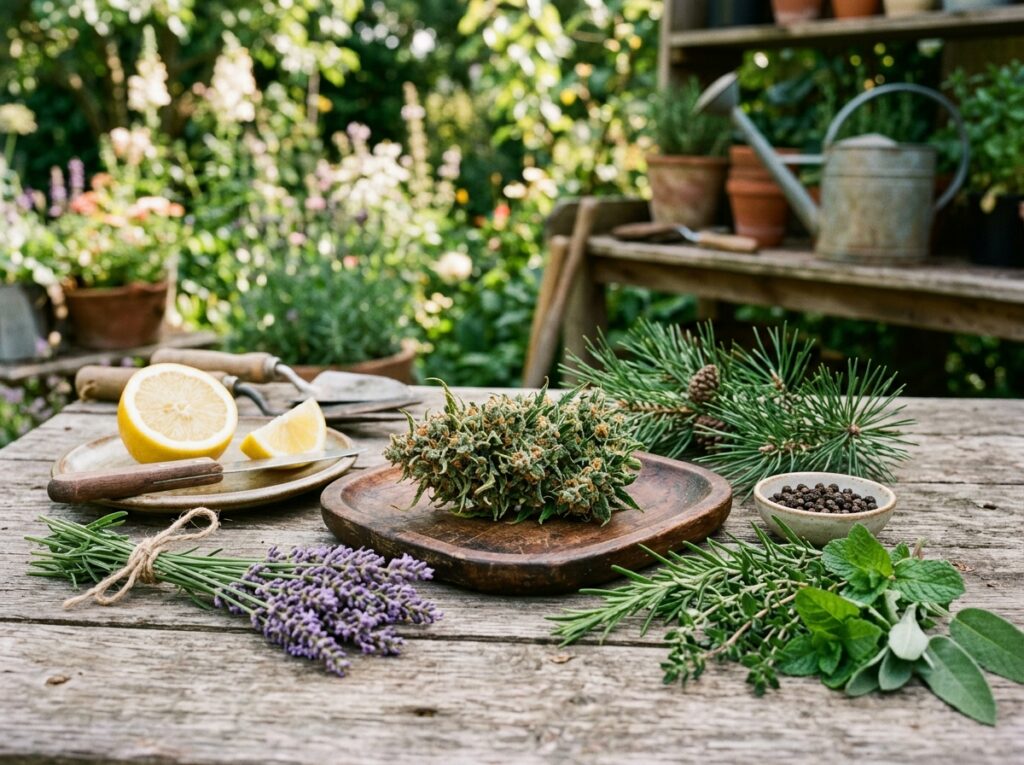
A lot of growers and smokers fixate on THC, the higher the %, the higher you get, right? Maybe, but what about common cannabis terpenes? There is more to cannabis plants than THC. Those aromas we love so much have a story to tell. That sharp citrus hit, the earthy funk, the pine, the pepper, the sweeter fruit notes. None of that turns up by accident. It comes down to terpenes, the aromatic compounds that help shape how a cannabis strain smells, tastes and feels. That is why one hybrid might lean into lemon and orange peel, while another might bring pine, herbs, or something a bit more gassy. Terpenes are a big part of what gives each strain its character, and once you start noticing them, you stop thinking of cannabis aroma as just “potent” or “nice.” You start picking up what is going on in the flower. What Are Cannabis Terpenes? Terpenes are the aromatic compounds found in plants that give them their distinctive smell. They are not just there to make things smell good, either. They do a lot more work than that. Terpenes are found throughout nature and appear in everything from herbs and fruit to cleaning products and essential oils. In cannabis, they play a major role in shaping a strain’s aroma, flavour and overall character. A lot of growers and smokers focus on THC first, but cannabis terpenes matter more than many people realise. They help explain why one strain smells like citrus and fresh herbs, while another smells earthy, spicy, or piney. Some terpenes are also being studied for their wider properties, including possible anti-inflammatory, calming and pain-relieving effects, which is part of why they get so much attention. Why Cannabis Terpenes Matter When you start paying attention to terpenes, cannabis becomes a lot more interesting. It is no longer just a case of strong or weak, indica or sativa. The smell of the flower starts telling you more about the strain before you even light it up. That sharp lemon note, that peppery edge, that deep earthy smell or that floral finish all come from the terpene profile. Terpenes also play a role during cannabis cultivation. A healthy cannabis plant with good genetics and the right environment will usually develop a more expressive aroma profile, which is why terpene-rich cannabis strains have become known as flavours, and we’ve seen a rise of flavour chasers and terp-obsessed growers. Myrcene Myrcene is one of the most common cannabis terpenes and is often linked to earthy, musky aromas with hints of spice or clove. It tends to show up in strains people associate with a more laid-back profile and is also found in plants such as hops, thyme, and lemongrass. If you are looking for cannabis strains with myrcene, it is often found in genetics known for deeper earthy notes and more laid-back effects. It is one of the terpenes that come up again and again in classic indica-dominant strains and balanced hybrids. TB Wedding Cake is a good TB Seeds pick here, especially if you like your strains with a bit more earthy weight. A botanical image linking cannabis flower with ingredients commonly associated with myrcene Limonene Limonene is the terpene behind those bright citrus aromas that show up in so many popular cannabis strains. Think lemon peel, orange zest and that fresh, sharp smell that jumps out of the jar. It is one of the most recognisable terpenes in cannabis and a big reason citrus strains have such a strong appeal. This terpene is also found in lemons, limes and oranges, which explains the name. In cannabis, limonene-rich strains are often linked with uplifting, lively effects and a fresh flavour profile that stands out straight away. TB Lemon Haze Auto is the clear limonene shout from the TB Seeds range, all sharp citrus and a proper old school classic cannabis strain. Pinene Pinene brings that unmistakable pine forest smell. Fresh, crisp and a little herbal, it is one of the terpenes that can make a cannabis strain smell clean and sharp. It is also found in pine needles, rosemary, basil and parsley, which is why those aromas can sometimes overlap. For growers and smokers who like a strain with a greener, woodier edge, pinene-rich cannabis strains are well worth a look. It is one of the easier terpene profiles to recognise once you know what you are looking for. TB Wedding Cake earns another mention here too, with enough pine in the mix to make the connection easy. Linalool Linalool is the terpene responsible for more floral notes in cannabis, often with hints of lavender. It gives certain strains a softer, more fragrant aroma that sits miles away from louder citrus or fuel-heavy profiles. This terpene is also found in lavender, mint and coriander. In cannabis, linalool-rich strains are often chosen by people who enjoy a calmer, more rounded flavour profile with a floral edge. The Bulldog Cookies make sense for linalool, especially if you prefer something a bit softer, smoother, and less in-your-face. A floral botanical composition showing ingredients associated with linalool in cannabis Caryophyllene Caryophyllene stands out for its peppery, spicy character. If a strain smells warm, a little woody and almost like cracked black pepper, there is a good chance this terpene is involved. It is also found in black pepper, cloves, and cinnamon, which gives you a good idea of the aroma it imparts. It is one of the more talked-about cannabis terpenes by terp hunters because of its distinctive scent and the way it adds depth to a strain’s flavour profile. For growers chasing bolder, spicier cannabis strains, caryophyllene is one to know. TB Gorilla Auto is a natural fit for caryophyllene, with that earthy, pungent profile giving it the right kind of bite. Final Tokes on Common Cannabis Terpenes Once you know the basics of cannabis terpenes, you start to look at strains a bit differently. It is not just about THC levels, yield or whether
Why The Bulldog’s Autoflower Seeds Are a Grower’s Best Friend
Some mates turn up late, some forget their keys, and some vanish when it’s their round. A Bulldog? Always loyal. Always by your side. The same goes for The Bulldog’s autoflower seeds. They show up, do the job, and never ask for more than the basics. No light schedules or diva demands. Just fast, compact plants with proper Bulldog character. Here’s why The Bulldog’s autoflower seeds are a grower’s best friend. Always Loyal, Never Late Did you say light schedules? You can leave that flashy stuff to the photoperiod crowd. The Bulldog Seeds autoflower seeds are in their own world, on their own time. From the moment they sprout, the countdown to flower starts ticking. No need for timers. Or those “oh no, I left the lights on again” moments. While other growers are stressing over dark cycles, your autoflowers are already stacking buds. Like a Bulldog waiting at the door when it’s walkies time: these autos are a human’s best friend. Like a Bulldog waiting at the door when it’s walkies time: these autos are a human’s best friend. Compact but Courageous – TB Gelato Auto 3 seeds5 seedsAdd to Cart TB Seeds autos don’t hog the room but always make themselves known. Perfect for balconies, corners, or that “definitely not a grow tent” cupboard. Take TB Gelato Auto, for instance. It’s compact at 70–100 cm, but with Sunset Sherbet × Thin Mint GSC genetics, it’s mighty and delivers creamy dessert flavours that hit like a freight train. Sweet, smooth, and strong. Ready in 9–10 weeks, these autoflower seeds surprise growers with dense, resin-coated flowers and a hybrid high that blends body relaxation with a heady lift. Think of it as a Bulldog in a famous The Bulldog Amsterdam hoodie: looks small, but underneath is pure muscle. Quick Turnaround, Big Reward – TB Lemon Haze Auto Patience is an overrated virtue in the auto plant-growing world. TB Seeds autos sprint from seed to harvest in weeks, not months. TB Lemon Haze Auto is the speed demon of the lineup. Done in around 9 weeks, it stays manageable while pumping out zesty citrus buds that fill the room with sharp haze aroma. It’s a sativa-dominant hybrid that delivers a classic Lemon Haze kick — uplifting, energetic, and social. Perfect for daytime sessions and growers who like fast flips. Fresh, zesty, and unmistakably Amsterdam. 3 seeds5 seedsAdd to Cart Low Maintenance, High Output – TB Gorilla Auto Some plants act like divas. TB Gorilla Auto isn’t one of them. It’s tough, forgiving, and still throws down heavyweight colas that live up to the Gorilla name. With Gorilla Glue genetics in its blood, this auto brings sticky resin, earthy pine flavour, and knockout potency. Around 10 weeks from seed, medium height, and yields that make it a favourite for beginners and pros alike. It’s The Bulldog Amsterdam bouncer of your grow, solid, unshakable, and guaranteed to hit hard. 3 seeds5 seedsAdd to Cart The Bulldog Genetics, Auto Attitude – TB Skittlez Auto Our autoflower seeds aren’t watered-down versions of the real thing. They’re Amsterdam legends remixed for speed and simplicity. The same bite, the same flavour, just with an automatic gearbox. TB Skittlez Auto proves it. Sweet, tropical, candy-fuelled terpenes with a happy, euphoric high balanced by a mellow body vibe. Ready in 9–10 weeks, compact, easy to grow indoors or outdoors. It’s like a bag of sweets you never want to end, only this bag fills glass jars instead of pockets. 3 seeds5 seedsAdd to Cart Final Tokes: Ready to Grow Like a Legend? Why are The Bulldog’s Seeds autoflower’s a grower’s best friend? Because they’re loyal, fast, and always deliver. Compact enough to tuck away, strong enough to impress, and built on Bulldog genetics that never miss. From the creamy hit of TB Gelato Auto, to the zesty rush of TB Lemon Haze Auto, the heavy muscle of TB Gorilla Auto, and the candy burst of TB Skittlez Auto, there’s a Bulldog auto for every grower. We grew our legend, will you grow yours?
The Pros and Cons of Growing Cannabis in Soil
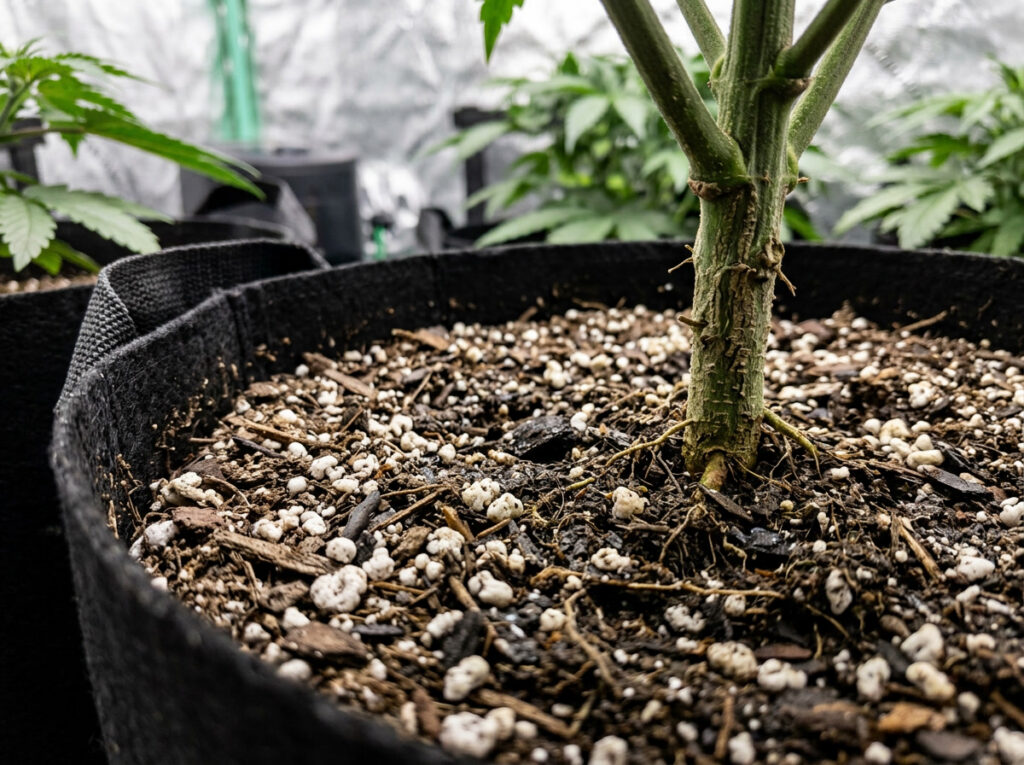
Soil has been doing the job for a long time, and for plenty of cannabis growers, it still makes the most sense to continue growing cannabis in soil. It is simple, dependable and does not require a shelf full of equipment to get going. That does not mean it is the only way to grow. Hydroponic systems have their place, and in the right hands, they can produce excellent results. Still, not every grower wants a setup full of moving parts and constant checks. Soil gives you a more forgiving growing medium, a more natural feel and, for many people, a more straightforward way to grow cannabis. Before you decide whether to stick with soil or start pricing up a hydro system, it helps to look at both sides properly. Pros of Growing Cannabis in Soil Soil Does a Lot of the Work for You One of the big pro’s of growing cannabis in soil is that the medium already brings plenty to the table. A good soil mix contains nutrients, beneficial microorganisms and the kind of natural support that helps cannabis plants establish healthy roots and steady growth. For growers who want a more natural setup, that is a big part of the appeal. A close-up look at soil texture and perlite in a cannabis fabric pot It Is More Affordable to Get Started Growing cannabis always comes with some cost, but soil is usually one of the more accessible ways to begin. Compared with hydroponic growing, you need less equipment, fewer moving parts and a much smaller upfront spend. That makes soil a practical choice for beginners, home growers and anyone who wants a reliable setup without turning the grow room into a plumbing project. It Is More Forgiving for Beginners Soil is also easier to work with if you are still learning. That does not mean you can ignore the basics, but it does mean small mistakes are often easier to recover from than they would be in a hydro setup. Growing cannabis in soil usually involves less day-to-day monitoring, and the medium gives growers a bit more breathing room when things are not absolutely perfect. A healthy cannabis plant growing in soil in a simple indoor setup It Has a History Behind It For some growers, this still matters. Soil is the traditional growing medium, and cannabis has been grown this way for generations. There is a reason it has stuck around. It works, it is familiar, and for plenty of people, it feels like the most natural way to grow cannabis. Not everything old needs replacing just because somebody put a pump on it. Soil Keeps Things Simple Another big plus is reliability through simplicity. Hydro systems can deliver strong results, but they also require more equipment and tighter control. When more parts are involved, more can go wrong. Soil growing is less technical, which often makes it easier to manage over the long run. If you want a setup that feels steady, practical and less fiddly, soil still makes a very good case for itself. Not every growing medium is all upside, though. Soil has its drawbacks, too, and that is where the next section comes in. A larger indoor soil grow setup with cannabis plants in fabric pots Cons of Growing Cannabis in Soil Soil Usually Means a Slower Grow One of the main drawbacks of growing cannabis in soil is speed. Compared with hydroponic systems, soil grows tend to move a bit slower, which usually means a longer wait from seed to harvest. That is not always a bad thing, but for growers chasing faster turnaround times, it can be a downside. A lot of that comes down to how nutrients are delivered. In soil, the plant has to work through the medium, while hydro gives roots more direct access. If speed is your main priority, hydro will usually have the edge. You Have Less Direct Control Soil is more forgiving, but it also gives you less precise control over nutrient levels. That can make it harder to correct problems quickly if a cannabis plant starts showing signs of deficiency or imbalance. With hydro, adjustments tend to happen faster. In soil, things can take a bit longer to show and a bit longer to fix. For some growers, that is a fair trade for simplicity. For others, it can feel like working with one hand tied behind your back. Watering Can Be Harder to Judge Water management is another area where soil can trip people up. It is easy to overwater cannabis plants in soil, especially for beginners who think more attention always means better results. Too much water can lead to poor root development, drooping growth and, in worse cases, root rot. You do get better at reading the pot, the weight and the condition of the soil over time, but there is still more guesswork involved than some growers would like. Watering cannabis plants in soil can be harder to judge than it looks Soil Can Attract Pests and Disease A living soil can do a lot of good, but it can also create the right conditions for pests and disease if the grow is not kept in check. Fungus gnats, mould issues and other unwanted visitors are all easier to run into when the medium stays too damp or the environment is not properly managed. That does not mean soil is doomed to disaster. It just means prevention matters. Good airflow, careful watering and a clean grow space go a long way. Final Tokes on Growing Cannabis in Soil Soil still has plenty going for it. It is simple, reliable and a solid choice for growers who want a more natural growing medium without the extra complexity of hydro. At the same time, it is not perfect. Slower growth, less control and the risk of overwatering are all part of the deal. That is really what it comes down to. If you prefer a more forgiving
6 Tips to Get Ready for the Outdoor Growing Season
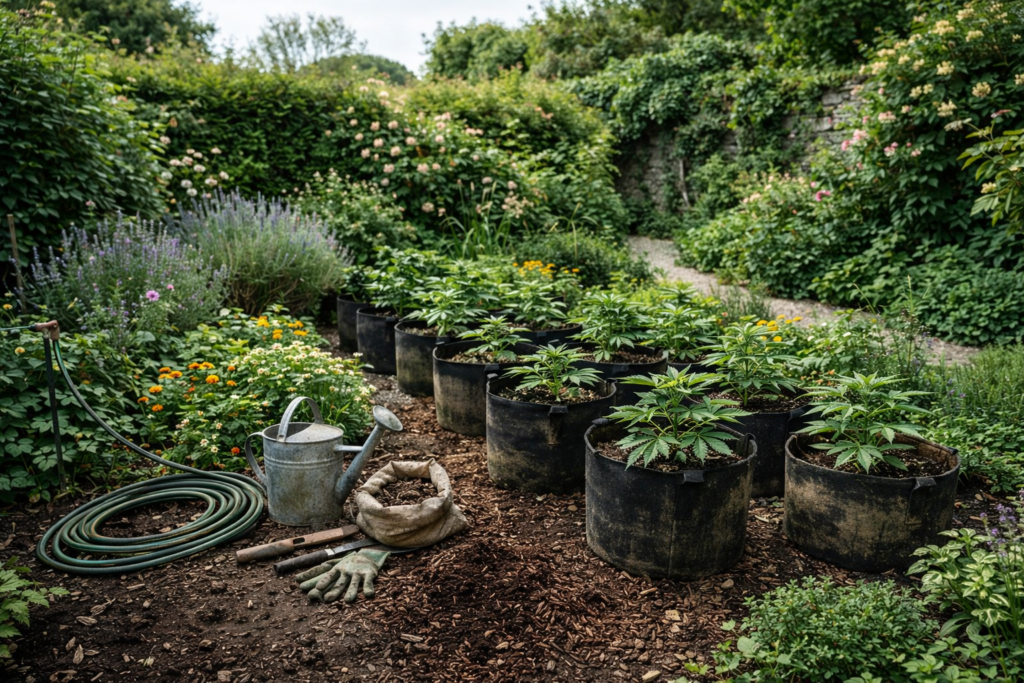
If you’re in Europe, winter is on its way out, and outdoor growing season is nearly back where it belongs at the top of your to-do list. For plenty of growers, this is the best part of the year. Bigger plants, natural sunlight, and the kind of growing that reminds you why outdoor season is worth the wait. To help you get ready, The Bulldog Seeds has put together six top tips for a successful outdoor cannabis season. Choose the Right Grow Spot A good outdoor growing season starts with the right location. Cannabis plants need plenty of direct sunlight, so look for a spot that gets 6 to 8 hours of sunlight a day. More sun usually means stronger growth, better structure and a more productive outdoor cannabis plant by harvest time. Space matters too. Good airflow helps keep your plants healthy, especially once the weather turns warm and humid. You also want to avoid any area that holds too much water after rain, because soggy roots can cause problems fast. And of course, keep your outdoor grow discreet. A private spot that stays out of sight from neighbours and passers-by is usually the best call. Pick the Right Strain Not every cannabis seed is built for the same outdoor season, so choosing the right strain can make life much easier later on. If you are growing in a cooler climate or dealing with a shorter summer, autoflower cannabis seeds are often the safer bet. They are quicker to finish, easier to manage, and well-suited to outdoor growers who want solid results without dragging the season out. From The Bulldog Seeds lineup, TB Gorilla Auto is a strong candidate for growers in colder climates or shorter summers. It is described as a hardy, fast-flowering auto that suits colder, more northern regions. TB Gelato Auto is another one worth eyeballing if you want something beginner-friendly that can make the most of the outdoor season. TB Lemon Haze Auto also earns its place here, especially if you want a fast autoflower with a shorter life cycle that is easier to run outdoors than a longer flowering feminised strain. Not to mention, it also brings that classic Amsterdam citrus profile into a quicker autoflower format. Test Your Soil Before You Start Once you have your spot and your strain sorted, it is time to check the growing medium. If you are using pots outdoors, you have far more control over the soil mix, drainage and nutrient levels, which makes life easier from the start. If you are planting straight into the ground, you lose some control, so it pays to know what you are working with before anything goes in. Testing soil pH is a simple step that can save you a lot of trouble later. Cannabis grows best when the root zone sits in the right range, and if the soil is too acidic or too alkaline, your plants can struggle to take up nutrients properly. That means slower growth, weaker structure and problems that are much harder to fix once the outdoor season is moving. Whether you are growing in the back garden or a more remote outdoor spot, make sure the soil is actually suitable for cannabis before you commit to it. A practical water setup for outdoor cannabis plants using a rain barrel, hose reel and watering can Plan Your Water Supply Outdoor growing season gets a lot easier when you think ahead about water. If your spot is miles from a tap, hauling buckets gets old very quickly. You cannot leave it all to the weather and hope for the best, especially once the hotter part of the season kicks in. If your outdoor grow is nowhere near a tap or an easy water source, keeping plants healthy can turn into hard work fast. Rain will help if your plants are out in the open, but it should never be the whole plan. Check the soil regularly and monitor moisture levels, especially during warm spells or dry stretches. You want the growing medium to stay evenly moist, not bone dry and not soaked. Get that wrong for too long, and your outdoor cannabis plants will let you know about it fast. Stay Ahead of Pests Spring and summer bring the good stuff, but they also bring every hungry little menace in the neighbourhood. Aphids, spider mites and caterpillars can all cause trouble in an outdoor cannabis grow, so it is worth thinking about pest control before they show up and start treating your plants like an all-you-can-eat buffet. There are a few ways to make life harder for pests without going overboard. Organic deterrents, physical barriers and companion planting can all help protect your crop outdoors. Plants like basil, lemon balm, beans, aubergine and sunflowers can support a healthier garden space and make your grow area more useful at the same time. It is a win-win. You help protect your cannabis plants and get a few useful extras growing at the same time. Get Started Before the Season Starts A good outdoor cannabis season usually begins before anything is planted. The more you get sorted now, the easier things will be once the weather properly turns. Clean up the space, trim back what needs trimming, prep raised beds, sort out your greenhouse and improve the soil you plan to use. It is not the exciting part, but it is the stuff that sets the season up properly. This is also the time to deal with the practical stuff. Build containers, put up fencing, check your polytunnel and make sure the whole grow space is ready for the months ahead. Get it sorted now, and life gets much easier once the season is moving, especially once your outdoor grow is underway and things start moving fast. Raised beds and greenhouse space prepared for the outdoor cannabis season Final Tokes: Growing Cannabis Outdoors If you are still deciding which cannabis seeds to run this season, The Bulldog Seeds
How Long Does It Take to Grow Autoflower Cannabis Seeds?
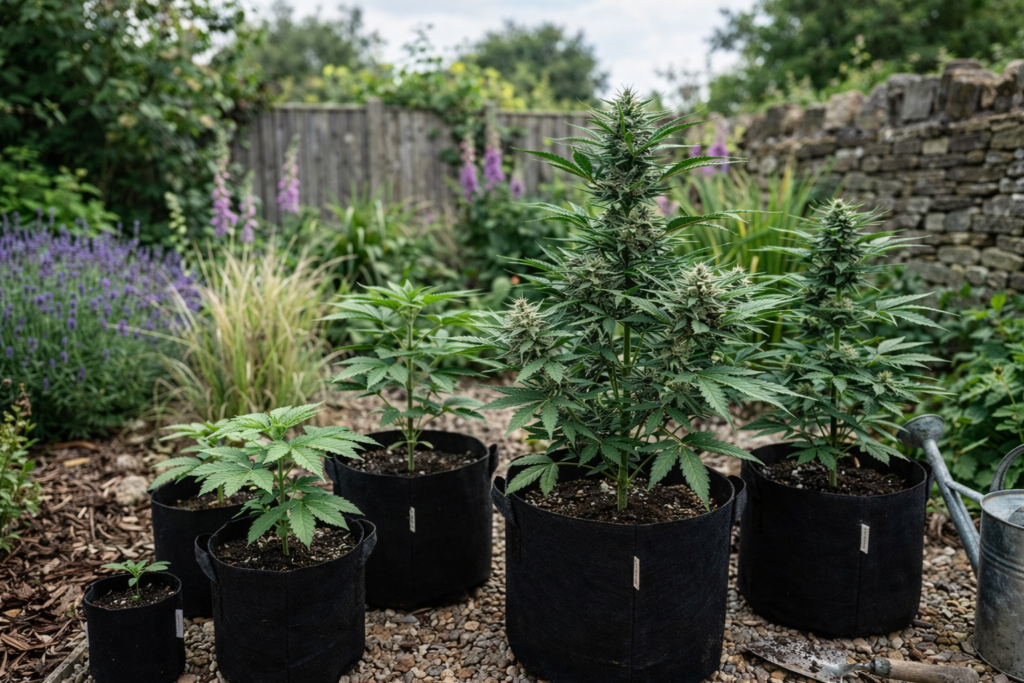
With spring on the way, plenty of growers are already eyeing up the outdoor season and wondering what to start with. If speed matters, autoflower seeds are hard to ignore. They are quick, easy to manage and ideal for growers who want a shorter route from seed to harvest without overcomplicating the process. Most autoflower strains are ready in around 8 to 10 weeks, which is a big part of the appeal. For outdoor growing, that kind of turnaround can save a lot of time, especially if you are working with a shorter summer or just want a cannabis grow that gets moving so you can get grooving. Cannabis Plants: The Short Version Most autoflower seeds go from seed to harvest in around 8 to 10 weeks. Some fast autoflower strains can finish in as little as 7 weeks. In contrast, others may take closer to 12, depending on the genetics and the growing conditions. Temperature, light, root space, and general plant health all play a part, so the timeline is never exactly the same. That speed is a big part of why autoflower cannabis seeds are so popular. Most growers are not looking to make life harder than it needs to be. They want a healthy plant, a decent yield and a harvest that lands before the weather turns or your patience gives up on you. If you want a rough idea of the autoflower life cycle, here is how it usually breaks down. Week 1 to 2: Seedling Stage This is the earliest stage of the autoflower grow cycle, focused on establishing healthy roots and steady early growth. Above the soil, it still looks like very little is going on. The plant stays small, the first leaves emerge, and the stem begins to strengthen as the seedling settles into its environment. At this stage, the main job is not to interfere too much. Do not overwater, and do not rush in with nutrients too early. Young autoflower seedlings are delicate, and too much attention can do more harm than good. Keep the environment stable, give them the basics, and let the plant get established properly. Week 3 to 5: Early Vegetative Growth Once the seedling stage passes, growth starts to pick up. This is when autoflower plants begin forming structure, putting out more leaves and developing the shape that will support flowering later. The vegetative stage is short compared to photoperiod cannabis plants, which means there is less time to correct mistakes. If you are growing autoflower seeds, this is the stage where good conditions really matter. Light, temperature, airflow and nutrients all need to be in a good place because the plant is moving quickly towards flower. Some growers use low-stress training at this point, but the key thing is not to slow the plant down. Autoflowers work on their own timeline, so they don’t respond well to stress. That’s why we don’t recommend transplanting autos or trying to train them. Young autoflower cannabis plants getting established outdoors in spring sunlight Week 5 to 10: Flowering Stage This is when the real shift happens. The plant starts producing pistils, bud sites begin to develop, and the smell becomes much more noticeable. During the flowering stage, the plant focuses its energy on building buds, increasing resin production and pushing towards harvest. How long this stage lasts depends on the strain. Some fast autoflower strains can be ready in around 8 weeks from seed, while others need a little longer to fully mature. This is why checking trichomes matters more than guessing based on dates. Clear trichomes usually mean the plant isn’t ready yet. In contrast, cloudy or partly amber trichomes give you a much better idea of the actual harvest window. A compact autoflower cannabis plant in flower during an outdoor grow More Light Usually Means Better Results Autoflower seeds do not need a 12/12 light cycle to start flowering, which is one of the main reasons they are so popular with beginners and outdoor growers. Unlike photoperiod cannabis strains, autoflowers move from veg to flower on their own schedule. That does not mean light stops mattering. It matters a lot. The more light an autoflower cannabis plant gets, the more energy it has for growth, structure and bud development. Indoors, many growers run autoflowers under 18 to 20 hours of light a day to push stronger growth from seed to harvest. Outdoors, you do not get that kind of control, so timing becomes more important. If you want the best results from an outdoor autoflower grow, it makes sense to start when the days are longer, and the plant can make the most of late spring and summer sunlight. That is the key point. Changes in light hours do not trigger autoflowers, but they still perform better when they get plenty of light each day. If a plant stays small or underwhelming, weak light is often part of the problem. Before blaming the genetics, check whether your autoflower is actually getting enough energy to grow properly. More Than One Autoflower Harvest in a Season One of the biggest advantages of autoflower seeds is speed. Because they move from seed to harvest much faster than most photoperiod strains, outdoor growers can often fit more than one run into the same season. In the right conditions, two harvests are very possible, and in some climates, even a third round can be on the table. That is a big part of the appeal for growers who want to make the most of spring and summer. As one autoflower finishes, another can already be underway. With the right timing, a fast-flowering autoflower strain and enough sunlight, you can keep an outdoor cannabis grow moving through the warmer months without waiting on one long cycle to finish. Why Autoflower Timelines Can Vary Even though most autoflower cannabis seeds are marketed as fast growers, there is no single exact timetable that fits every strain or every setup. A lot can affect how
Orange 90: The 50th Anniversary Strain Inspired by The Bulldog’s No. 90 Orange Signal
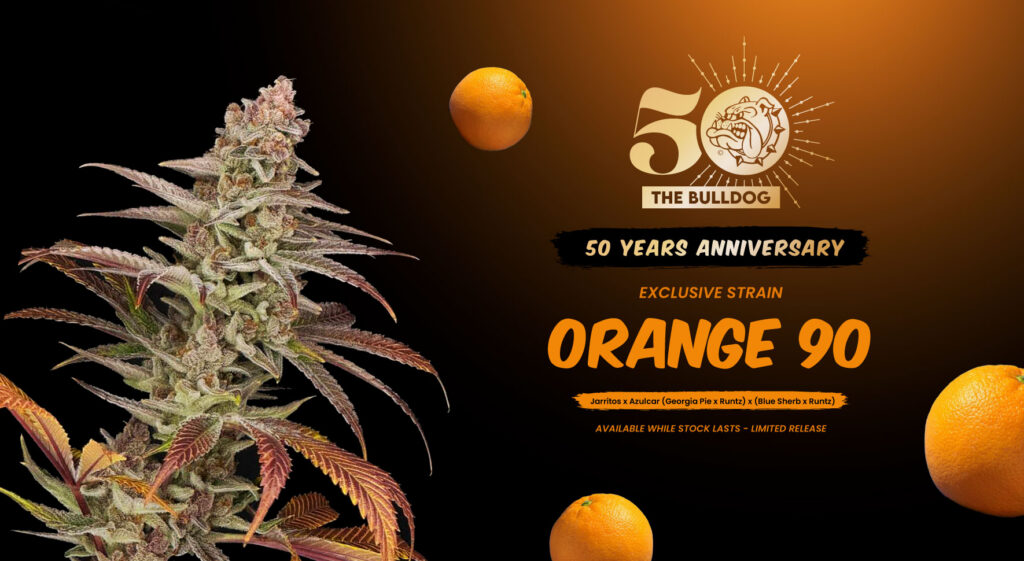
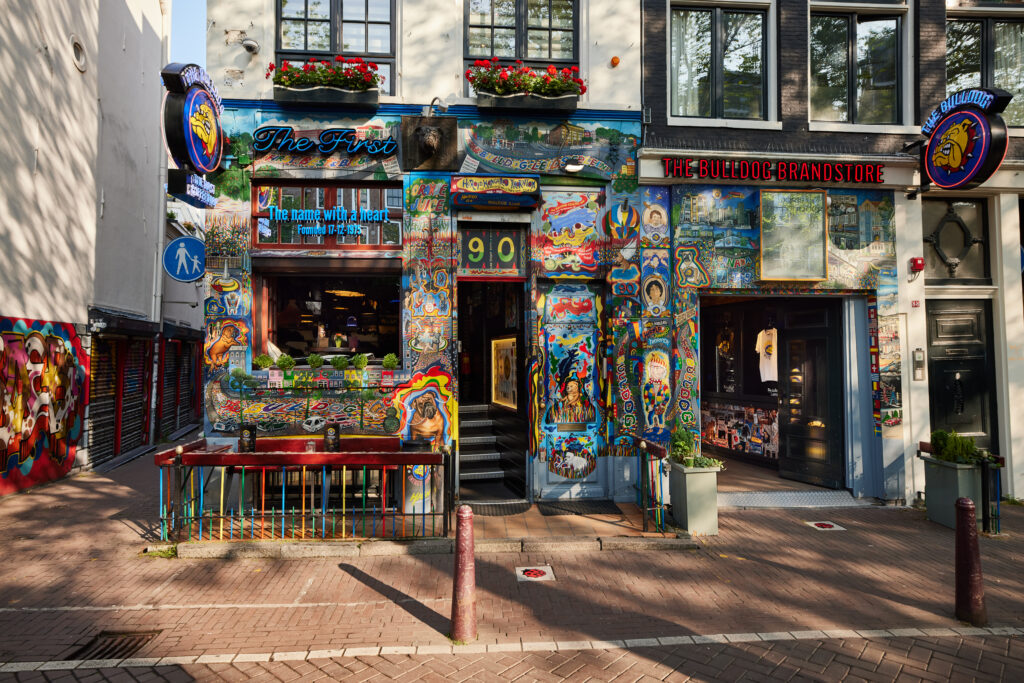
The Bulldog Amsterdam has been breaking the rules to make the rules for 50 years. So we threw a proper party and went looking for the ultimate orange strain to pay homage to the address that started it all. Meet The Bulldog Orange 90, our 50th-anniversary feminised seed drop. A cannabis hybrid with No. 90 in its DNA. Big terps, serious THC, and enough orange gas to make your carbon filter sweat. Back in the early days, The Bulldog Amsterdam didn’t have a marketing strategy; it had a dog and a reputation. If you know the Bulldog Orange story, you already know why this strain exists. If you don’t, good. You’re about to. The Bulldog Orange 90 won’t be recommended by your doctor; you can get your vitamins elsewhere. This indica-leaning hybrid is here to perform, will flower in 8 to 9 weeks, and is training-friendly. And the citrus in this high-THC hybrid is bursting with bite from early doors through to the late stages of growing. Fifty years in, and The Bulldog is still reaching for new heights. Everything else stays the same: unless we need to break more rules to create new ones. The orange that became a signal, now it’s a strain The Orange Signal When The Bulldog was still a puppy, Amsterdam wasn’t like today. The city’s cops were cuffing paying punters and ruining nights out for anyone involved. The raids were real, and you had to think fast if you wanted the doors open tomorrow. And that’s where an orange jumped out of the fruit bowl and became Amsterdam’s most useful piece of produce. (Second only to the banana if you’ve ever survived a De Wallen sex show.) The Bulldog Orange was more than one of your five a day; it was the signal the feds were at the door, and it was time to move the stash. Plainclothes cops would hit the joint (pun intended) and raid The 90 regularly. When the streetwise crew spotted a cop, they’d send an orange down the serving hatch. The guys below knew that if the orange was in play, it was time to move. It was always calm, never stressed, and always a night to remember. So when we say this strain is historic, we mean it. Orange 90 is that old code in modern form. Orange 90 Cannabis Plant in Flower How to grow Orange 90 Hybrid Orange 90 is a feminised hybrid that likes being supervised. Look after this high THC hybrid, and it will look after you. Training: topping, LST, SCROG, pick your weapon. This strain likes to train. See what it can do. Environment: keep airflow constant and create real movement through the canopy. When the terps start pushing, the buds start stacking, and that’s when pockets of damp can form if there’s not enough moving. Feeding: We’re not here to tell you what to feed your plants; it comes down to personal preference. Pick a feeding schedule and stick to it. Finish: To get the most from this indica hybrid, pay close attention when drying and curing. Slow it down and keep the temps cool. Don’t crisp it with unnatural heat or rush it into jars like you’ve just seen an orange fly down your service hatch. The Bulldog Amsterdam: 50 Years Young Orange 90 is a celebration strain, and that’s why it’s on a limited run, because anniversaries are meant to be moments. You don’t celebrate fifty years by pretending it’s just another Tuesday. Like the big five O, once this hybrid has been celebrated, that’s it, the party is over, and it’s on to the next thing. So grow it properly. Let the terps do what they’re supposed to do. And when it’s done, you’ll have your little slice of Amsterdam and the No. 90. Orange 90 isn’t named to be a marketing trick. It’s an address to the world’s first coffee shop. And a signal showing us how far we’ve come in 50 years. It’s a piece of The Bulldog Amsterdam history transformed from fruit to flower. The Bulldog Orange 90 Fifty years of The Bulldog, packed into a seed. We grew this legend, will you grow yours? Caption: No. 90 — the address that started it all. Did You Know? Amsterdam’s Red Light District Is More Than Red Lights Did you know? De Wallen is not only home to a row of The Bulldog Amsterdam. It’s home to many brown cafés older than some countries. A lot of them started out as places for sailors and dock workers, not for tourists in matching outfits. Did you know? De Wallen is not only home to a row of The Bulldog Amsterdam. It’s home to many brown cafés older than some countries. A lot of them started out as places for sailors and dock workers, not for tourists in matching outfits.
Harold “The Kangaroo” Thornton: The Artist Behind The Bulldog No. 90 Mural

Before it became one of Amsterdam’s biggest camera magnets, The Bulldog No.90 mural was just a plain white wall on a canal. Nobody’s credited with saying it, but a wall is only as good as what you dare to put on it. Number 90 Oudezijds Voorburgwal wasn’t born famous. It was just bricks and mortar, and front row to the hustle, bustle and freaky nature of Amsterdam over the centuries. It was a long time until tourists came in their droves. With their camera phones, they take all those selfies that look more stoned each time they see them. It was just another Red Light shop next to a peep show: three windows wide, easy to miss unless you were looking for Porno. When The Bulldog Amsterdam first opened its doors in the mid-70s, the outside of the shop was nothing to write home about. It was a blank canvas. The real action was inside: joints, laughter, and a new type of Amsterdam bubbling under the radar and away from prying eyes. But in the spirit of keeping things in the family, Henk reached out to his friend and The Bulldog regular to spice things up a bit. Henk didn’t want the front to be an advertisement for his shop; he wanted it to be an artwork that would stand the test of time. There was only one man to the task; his name was Harold “The Kangaroo” Thornton. Legendary artist Harold “Kangaroo” Thornton captured mid-brushstroke as he paints the famous mural that gave The Bulldog coffeeshop its iconic look. Who Was Harold “The Kangaroo” Thornton? You couldn’t miss Harold. Even in Amsterdam, a city full of freaks and long-haired geniuses, he stood out. Long white hair like a wizard who’d been kicked out of art school. Spectacles that looked like they belonged to a cartoon. Cardigans covered in paint, not because it was a look, but because he was always painting. Born in Sydney, Australia, in 1915, Harold Leslie Thornton had already made a name for himself back home before he flicked a fleck of paint on the 90. Harold had a talent for winding up the establishment in Australia and declared himself the greatest genius who ever lived. By the time he landed in Amsterdam in the 70s, he was already a cult figure with a suitcase full of brushes, a love of LSD, and absolutely no intention of living an everyday life. He found a second home in The Bulldog 90, now known as The Bulldog The First. Not just because Henk sold good hash, but because the vibe was a good fit. Only the rules that mattered. No hard drugs, no booze and zero aggression. Just people doing their thing and not apologising for it. Harold didn’t ask for commissions. He offered himself like a force of nature. Loud, wild, prolific. He’d paint your jacket if you stood still long enough. So when Henk said, “I want the outside to reflect what’s inside,” it wasn’t a design brief. It was a challenge. And Harold took it personally. That was the start of The Bulldog No.90 mural. Artist Harold “The Kangaroo” Thornton with Bulldog founder Henk de Vries, captured outside the world-famous mural that changed Amsterdam’s cannabis culture forever. The Bulldog No. 90 Mural No one really told Harold where to stop, or he didn’t know how to do so. Mistake or the first stroke of genius? That depends on how you feel about acid-bright murals featuring flying dogs and third eyes. It started with the request for a cool sign. That’s all Henk wanted at first. Harold stepped outside with a brush and never really came back in. He painted the wall. Then he painted around the wall. Then the building. What was once a blank white canvas in De Wallen was now a full-blown psychedelic mind-melter slapped across a 17th-century canal house. Wild lettering, cosmic faces, blues that burned under UV light, and all sorts of wonders were tucked into the chaos for stoned time travellers to find. If you looked long enough, you’d spot Henk, the dog, Amsterdam, and maybe yourself, depending on what you’d just smoked. And it didn’t happen overnight. It grew in layers, like good hash. Tourists think it was always there, locals watched it blossom like colourful moss, messy, impossible to remove, and oddly beautiful. Harold treated the bricks like canvas building blocks and the coffeeshop like his gallery. Rain or shine, tourists or cops, he’d be out in the flow, there adding something. By the time he was done, if he was ever really done (art is not finished, it’s abandoned), The Bulldog wasn’t just the first coffeeshop. It was the coffeeshop. People came for the cannabis, sure. But they took pictures of the wall, barely able to believe what they saw. Art, Attitude & Legacy Collide Harold didn’t just leave his mark on the wall; he immortalised himself with a self-portrait somewhere in the mural, painted in the same acid-fried palette as the rest of it. Grinning. Watching. As if he knew the whole thing would become iconic one day, and wanted to see it for himself. But the mural wasn’t just Harold showing off. It was him capturing the ethos of The Bulldog: rebellious, fun, and loyal. The Bulldog wasn’t trying to be a brand back then; it was simply being itself. Then, with every stroke of Harold’s brush, it became one of the most recognisable locations in Amsterdam. The No.90 is one of the most photographed sites in Amsterdam. Think about that for a second. In a city with some of the most stunning sites in Europe, The Bulldog First and Harold’s mural take centre stage. The artwork on the wall turned The Bulldog into a landmark without saying a word. The façade became a symbol for Amsterdam’s tolerance, creativity, and chaos, all wrapped in the face of a grumpy dog and a painter who dressed like a wizard and swore like a sailor. And
Before It Was Legal: How The Bulldog Set the Rules That Changed Amsterdam

Picture this: It’s the mid-70s. You’re in Amsterdam’s Red-Light District, the air’s thick with rebellion, and someone just sparked up a joint in a basement with no name, no licence, and definitely no idea what was coming next. That basement became The Bulldog Amsterdam. And those joints? They sparked more than just cones; they lit up a movement. The Bulldog changed Amsterdam. It Didn’t Start with a Business Plan Forget boardrooms and branding agencies, and definitely forget buying premium cannabis seeds at the click of a button. The Bulldog started with a bunch of mates, rolling up and laughing their heads off. The vibe was simple: good weed, good people, zero drama. Tourists started asking where they could get a bit for themselves, and the crew didn’t see a reason to say no. So they didn’t. Instead, they passed the joint and made space on the couch. That’s how the world’s first cannabis coffeeshop began. Just weed, warmth, and one very photogenic dog named Joris. This is Joris — the bulldog who sat in the window, growled at the law, and gave Amsterdam’s most famous coffeeshop its name. The face, the attitude, the legacy. Thank god he wasn’t a poodle! The Police Didn’t Like It: The Bulldog changed amsterdam Back then, weed wasn’t legal. Not even close. So, obviously, the police came knocking. Well, more like blended in as a tourist to catch Henk and the boys off guard, sometimes multiple times a day. Plainclothes cops would storm in, hoping to catch something darker. But all they ever found was the same thing: peaceful stoners, a baggie of grass, and a positive attitude. And that’s what threw them. “We were always polite,” said one of the original dealers, Jan, who was slinging grams behind the counter over 45 years later. “We weren’t hiding anything—just smoking and chilling. And we never got rude. Sometimes we had six or seven raids a day by undercover police. But we always stayed friendly. That’s what saved us, I think. They’d take us to the station and say, ‘These are just nice kids. I don’t get it.’ We were like 19. We didn’t hide. We told them straight: this is all we’ve got, a baggie of weed. That’s it.” Eventually, even the police clocked on: these weren’t the city’s real problem. Heroin was rising. Aggression was everywhere. But inside The Bulldog, there was only laughter, good hash, and a no-nonsense code. “You have to break the rules to create the rules.” The Bulldog Rules Came First – The City Just Borrowed Before the politicians stepped in, The Bulldog had already drawn the lines: “No hard drugs, no alcohol, no aggression, no stolen goods. We stuck to that from the beginning, even before the city did. It kept us safe. It kept the vibe right,” added Jan. That wasn’t a slogan; it was house rules, and people like Jan were on the front line to make sure it stayed that way. Stick to those rules, and the vibe stayed right. Break it, and you’re out, which is how The Bulldog rolls to this day. Those rules didn’t just keep the coffeeshop open; they set the foundation for the Netherlands’ soft drug policy. Amsterdam didn’t tame The Bulldog. The Bulldog taught Amsterdam how to handle cannabis because, as Henk De Vries always said, “You have to break the rules to create the rules.” “Everyone knew we didn’t deal hard drugs — but we still got raided the most.” — from an early local press story on The Bulldog, back when a ladder, a sign, and a bit of courage made history. From Underground to Worldwide Henk and his mates didn’t set out to change the game. They just wanted a safe place to spark up and bring people together. They weren’t trying to be rebellious. They were trying to be themselves. But that basement in the Red Light District became a global landmark, and The Bulldog became a symbol for everything right about cannabis culture. The police backed off. The tourists kept coming. And now, nearly five decades on, that same energy runs through The Bulldog Seeds heritage with Amsterdam genetics bred for modern growers with roots in the real story. Still Standing. Still Smoking. Still The Bulldog. Cannabis culture didn’t fall from the sky. It was built, joint by joint, rule by rule, raid by raid. And at the centre of it all was a crew that never stopped smiling at the law, never stopped serving the people, and never once swapped authenticity for approval. So next time someone asks where cannabis culture started, don’t point to a policy. Point to a basement. Point to the dog on the wall. Point to The Bulldog Amsterdam. The Bulldog in full technicolour — standing proud at number 90 in the 90’s Did You Know? Amsterdam is more than Red Lights Did you know? The Bulldog at No. 90 was one of the first coffeeshops to be filmed for international documentaries — often without permission, always with pride. And in the early 2000s, some estimates clocked the Red Light District’s footfall at 8 to 10 million people a year — and nearly all of them passed The Bulldog. Did you know? The Bulldog at No. 90 was one of the first coffeeshops to be filmed for international documentaries — often without permission, always with pride. And in the early 2000s, some estimates clocked the Red Light District’s footfall at 8 to 10 million people a year — and nearly all of them passed The Bulldog.