
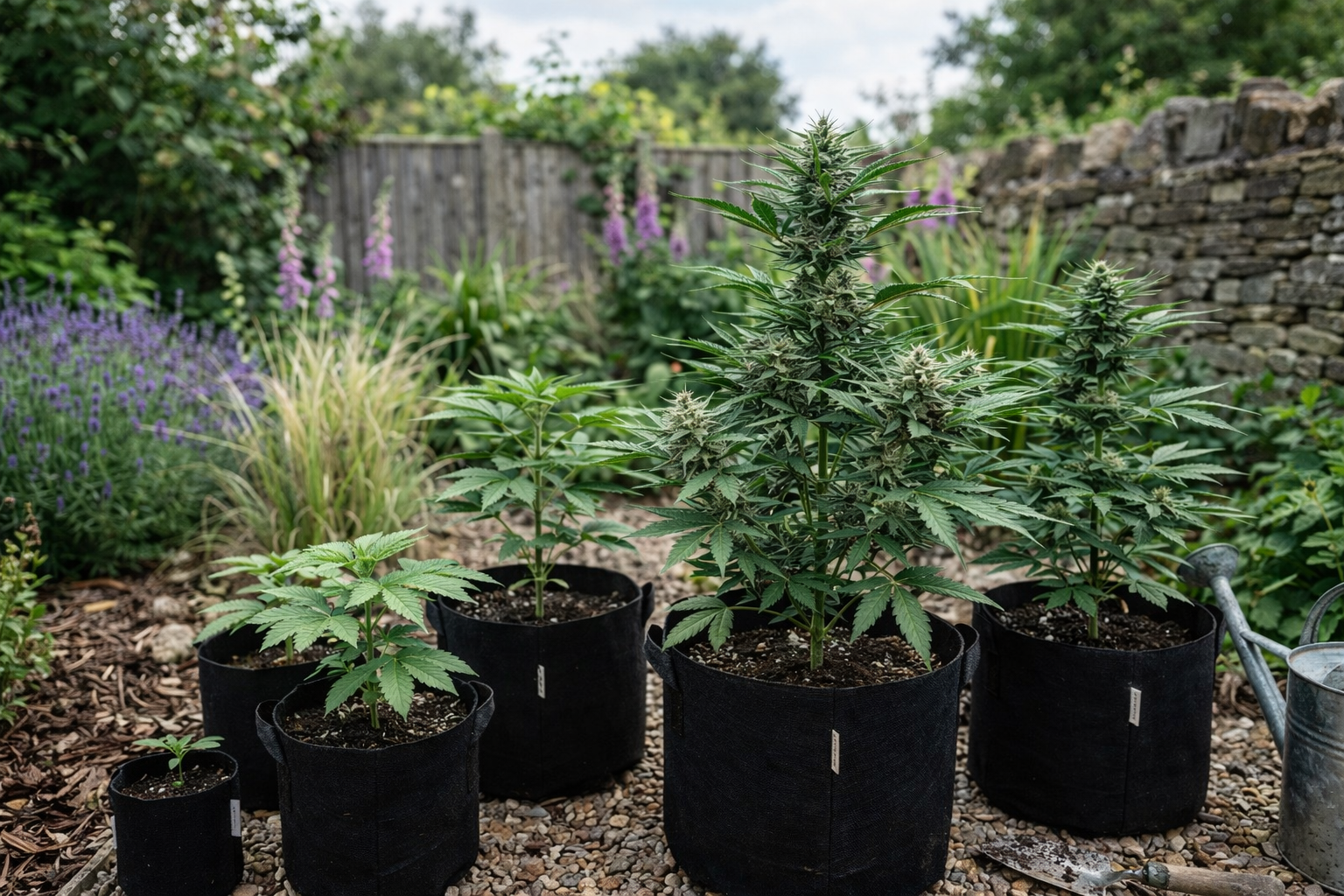
With spring on the way, plenty of growers are already eyeing up the outdoor season and wondering what to start with. If speed matters, autoflower seeds are hard to ignore. They are quick, easy to manage and ideal for growers who want a shorter route from seed to harvest without overcomplicating the process.
Most autoflower strains are ready in around 8 to 10 weeks, which is a big part of the appeal. For outdoor growing, that kind of turnaround can save a lot of time, especially if you are working with a shorter summer or just want a cannabis grow that gets moving so you can get grooving.
Cannabis Plants: The Short Version
Most autoflower seeds go from seed to harvest in around 8 to 10 weeks. Some fast autoflower strains can finish in as little as 7 weeks. In contrast, others may take closer to 12, depending on the genetics and the growing conditions. Temperature, light, root space, and general plant health all play a part, so the timeline is never exactly the same.
That speed is a big part of why autoflower cannabis seeds are so popular. Most growers are not looking to make life harder than it needs to be. They want a healthy plant, a decent yield and a harvest that lands before the weather turns or your patience gives up on you.
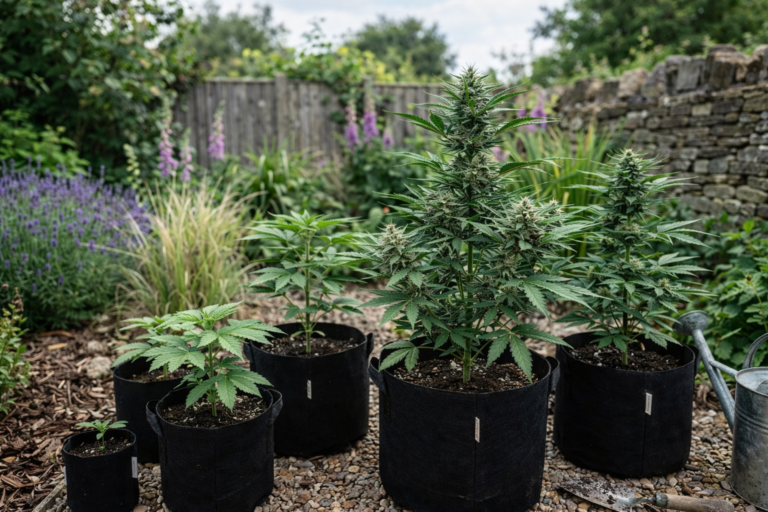
If you want a rough idea of the autoflower life cycle, here is how it usually breaks down.
Week 1 to 2: Seedling Stage
This is the earliest stage of the autoflower grow cycle, focused on establishing healthy roots and steady early growth. Above the soil, it still looks like very little is going on. The plant stays small, the first leaves emerge, and the stem begins to strengthen as the seedling settles into its environment.
At this stage, the main job is not to interfere too much. Do not overwater, and do not rush in with nutrients too early. Young autoflower seedlings are delicate, and too much attention can do more harm than good. Keep the environment stable, give them the basics, and let the plant get established properly.
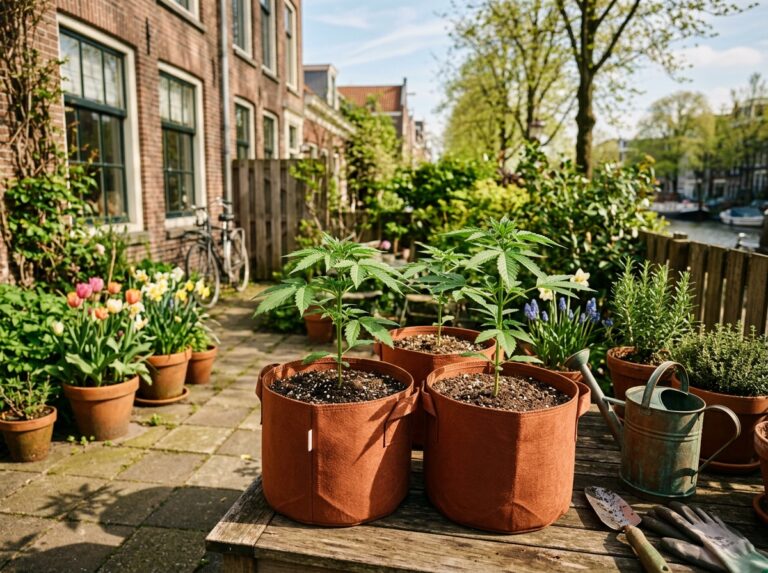
Week 3 to 5: Early Vegetative Growth
Once the seedling stage passes, growth starts to pick up. This is when autoflower plants begin forming structure, putting out more leaves and developing the shape that will support flowering later. The vegetative stage is short compared to photoperiod cannabis plants, which means there is less time to correct mistakes.
If you are growing autoflower seeds, this is the stage where good conditions really matter. Light, temperature, airflow and nutrients all need to be in a good place because the plant is moving quickly towards flower. Some growers use low-stress training at this point, but the key thing is not to slow the plant down. Autoflowers work on their own timeline, so they don’t respond well to stress. That’s why we don’t recommend transplanting autos or trying to train them.
Week 5 to 10: Flowering Stage
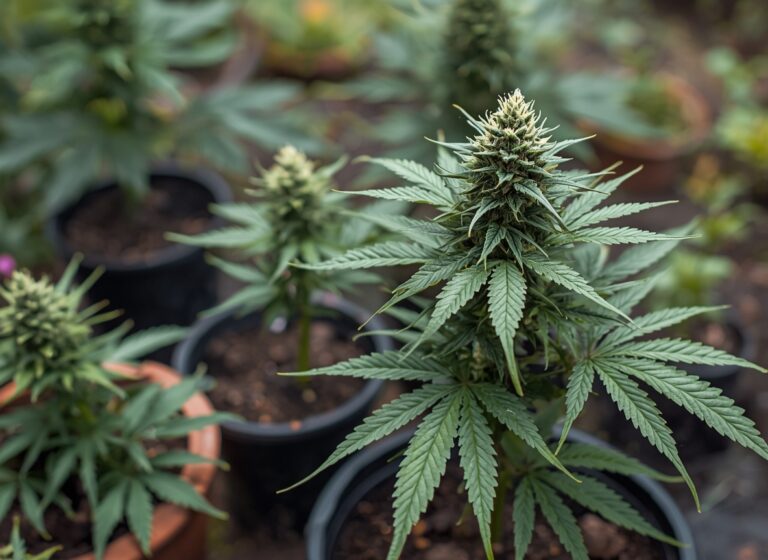
This is when the real shift happens. The plant starts producing pistils, bud sites begin to develop, and the smell becomes much more noticeable. During the flowering stage, the plant focuses its energy on building buds, increasing resin production and pushing towards harvest.
How long this stage lasts depends on the strain. Some fast autoflower strains can be ready in around 8 weeks from seed, while others need a little longer to fully mature. This is why checking trichomes matters more than guessing based on dates. Clear trichomes usually mean the plant isn’t ready yet. In contrast, cloudy or partly amber trichomes give you a much better idea of the actual harvest window.
More Light Usually Means Better Results
Autoflower seeds do not need a 12/12 light cycle to start flowering, which is one of the main reasons they are so popular with beginners and outdoor growers. Unlike photoperiod cannabis strains, autoflowers move from veg to flower on their own schedule. That does not mean light stops mattering. It matters a lot.
The more light an autoflower cannabis plant gets, the more energy it has for growth, structure and bud development. Indoors, many growers run autoflowers under 18 to 20 hours of light a day to push stronger growth from seed to harvest. Outdoors, you do not get that kind of control, so timing becomes more important. If you want the best results from an outdoor autoflower grow, it makes sense to start when the days are longer, and the plant can make the most of late spring and summer sunlight.
That is the key point. Changes in light hours do not trigger autoflowers, but they still perform better when they get plenty of light each day. If a plant stays small or underwhelming, weak light is often part of the problem. Before blaming the genetics, check whether your autoflower is actually getting enough energy to grow properly.
More Than One Autoflower Harvest in a Season
One of the biggest advantages of autoflower seeds is speed. Because they move from seed to harvest much faster than most photoperiod strains, outdoor growers can often fit more than one run into the same season. In the right conditions, two harvests are very possible, and in some climates, even a third round can be on the table.
That is a big part of the appeal for growers who want to make the most of spring and summer. As one autoflower finishes, another can already be underway. With the right timing, a fast-flowering autoflower strain and enough sunlight, you can keep an outdoor cannabis grow moving through the warmer months without waiting on one long cycle to finish.
Why Autoflower Timelines Can Vary
Even though most autoflower cannabis seeds are marketed as fast growers, there is no single exact timetable that fits every strain or every setup. A lot can affect how long an autoflower takes from seed to harvest, and some plants will naturally finish quicker than others.
Genetics play a big role. Some autoflower strains are bred for speed, while others take a little longer to fully mature. The environment matters too. Cold nights, inconsistent warmth, poor light, and wet conditions can all slow development. Pot size can also make a difference, as larger containers often allow for more root growth and a bigger plant, which can sometimes stretch the timeline slightly.
Feeding and general handling matter as well. Overfeeding, overwatering or putting the plant under stress can hold it back when time is already limited. Autoflowers do best when they get a strong start and a stable environment, especially because they do not have much time to recover from mistakes. When you see a strain listed at 8 to 10 weeks, treat that as a guide rather than a guarantee.
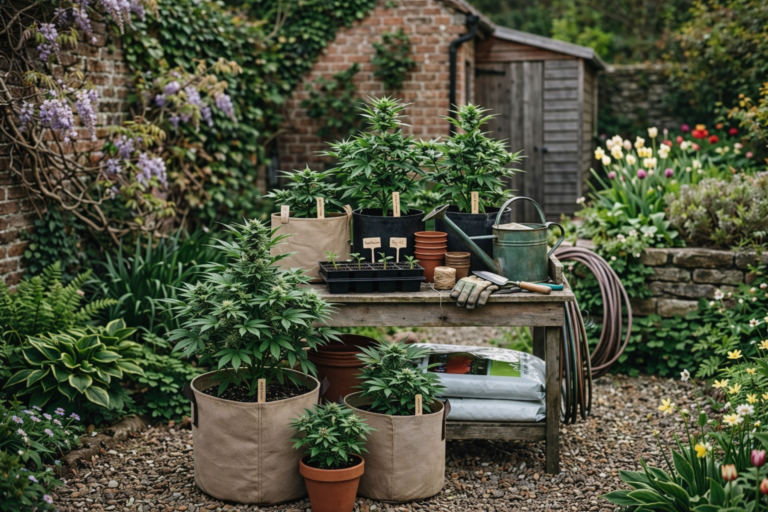
Final Tokes: How Long Autoflower Cannabis Seeds Take
Autoflower cannabis seeds have earned their place for a reason. They are fast, flexible and ideal for growers who want a quicker cannabis grow without dealing with light cycle changes. Give them enough sunlight, a decent environment and a bit of care, and they can reward you with a harvest in a relatively short space of time.
So, how long does it take to grow autoflowers? In most cases, autoflowers take around 8 to 10 weeks from seed to harvest, though some finish faster and others need a little longer. If you are planning for spring and want a quicker outdoor grow, autoflower cannabis seeds are well worth a look.
Did You Know?
Autoflowering cannabis traces back to Cannabis ruderalis, a subspecies or variety adapted to regions with very short summers and unusual daylight patterns. Instead of waiting for longer nights to trigger flowering, it evolved to flower automatically with age, which is the trait modern breeders use when creating autoflower seeds.