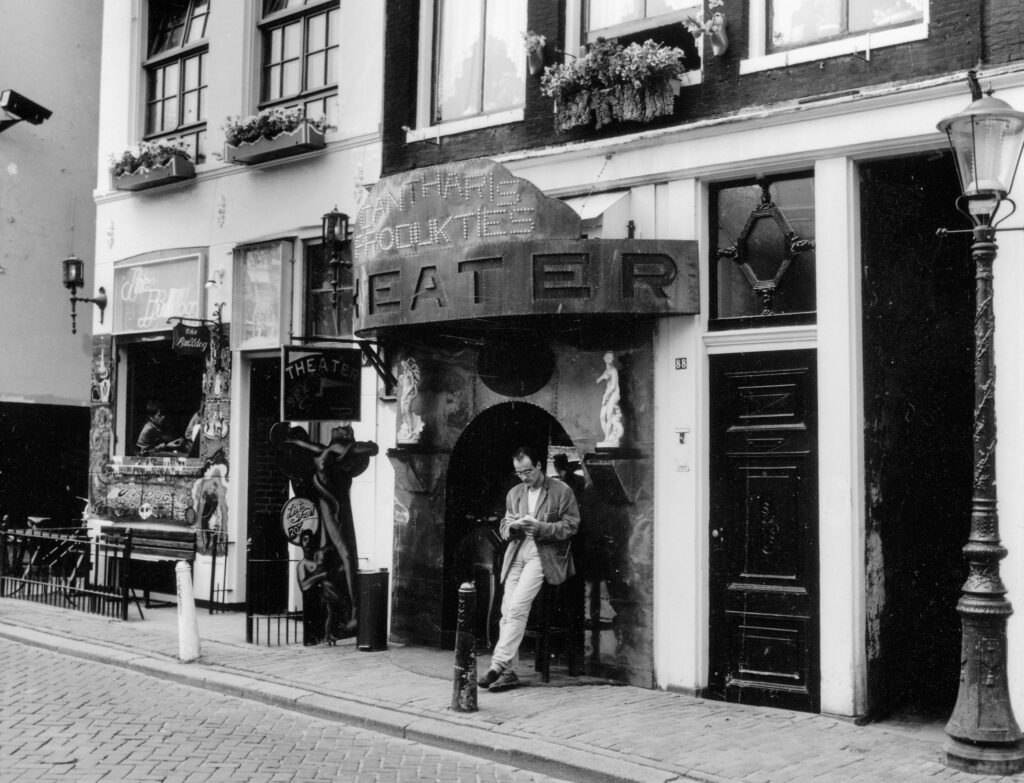
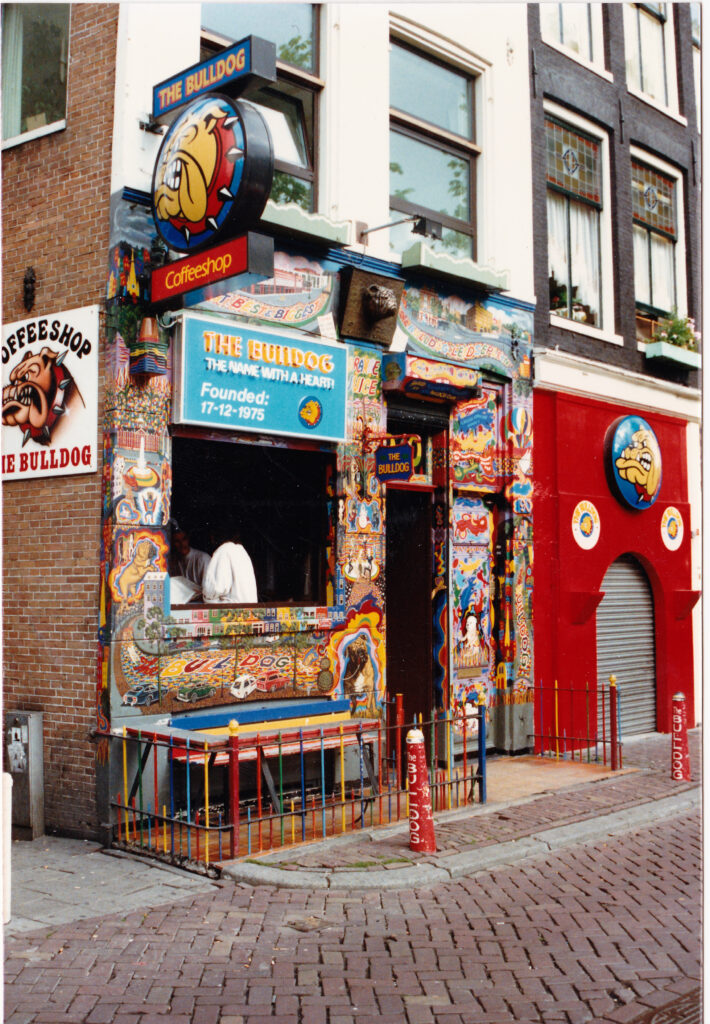
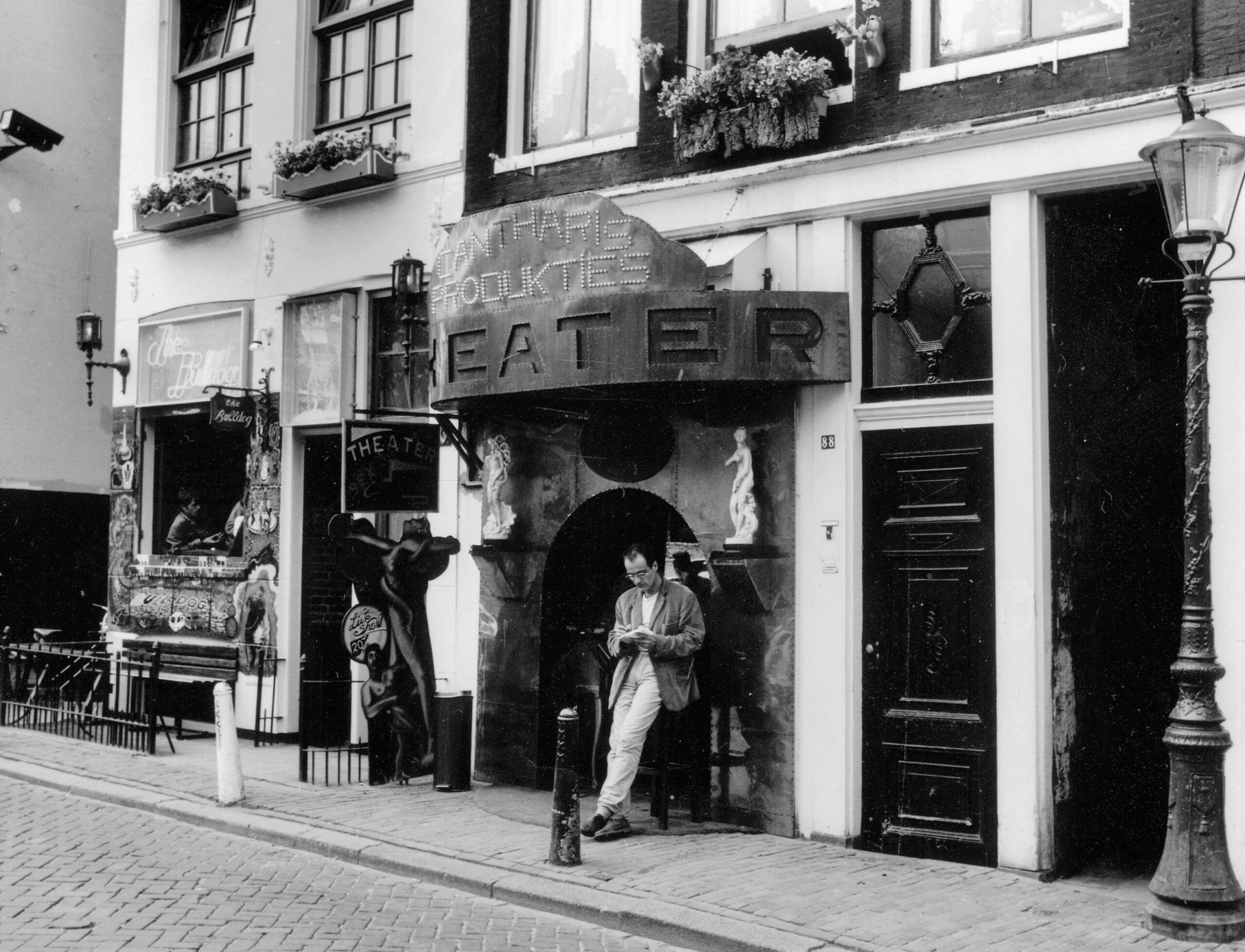
Picture this: It’s the mid-70s. You’re in Amsterdam’s Red-Light District, the air’s thick with rebellion, and someone just sparked up a joint in a basement with no name, no licence, and definitely no idea what was coming next. That basement became The Bulldog Amsterdam. And those joints? They sparked more than just cones; they lit up a movement. The Bulldog changed Amsterdam.
It Didn’t Start with a Business Plan
Forget boardrooms and branding agencies, and definitely forget buying premium cannabis seeds at the click of a button. The Bulldog started with a bunch of mates, rolling up and laughing their heads off. The vibe was simple: good weed, good people, zero drama. Tourists started asking where they could get a bit for themselves, and the crew didn’t see a reason to say no.
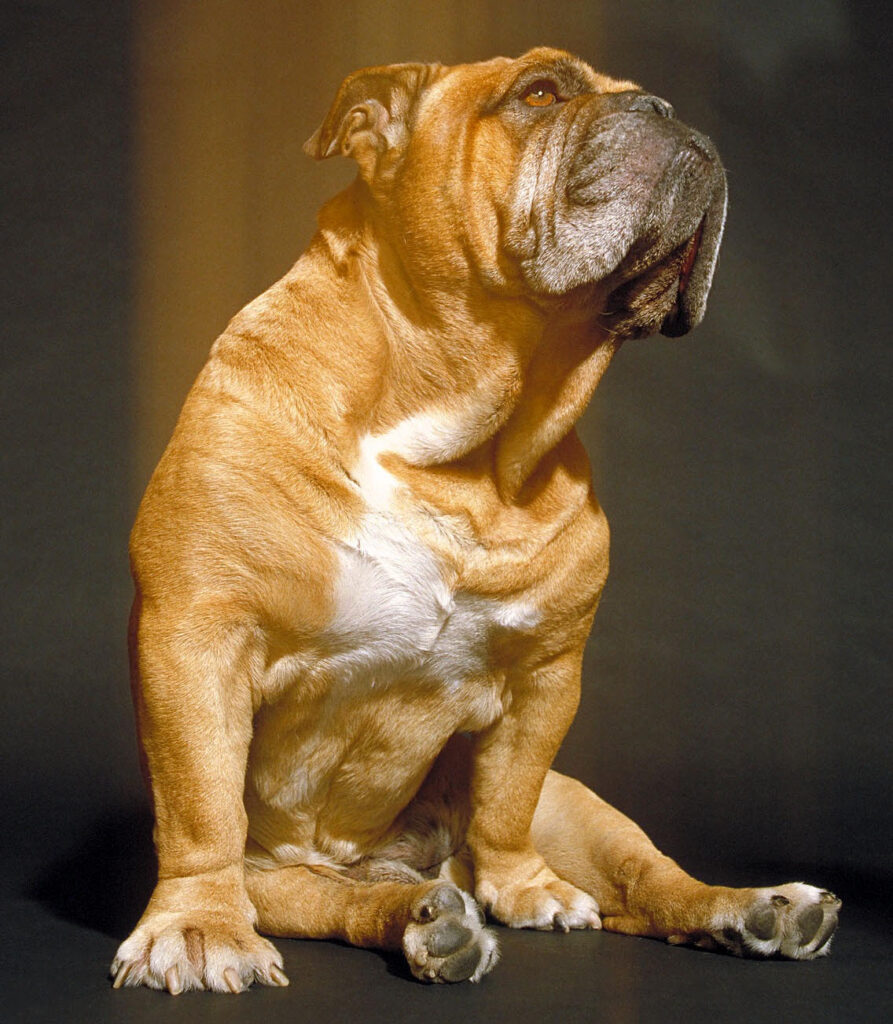
So they didn’t. Instead, they passed the joint and made space on the couch. That’s how the world’s first cannabis coffeeshop began. Just weed, warmth, and one very photogenic dog named Joris.
The Police Didn't Like It: The Bulldog changed amsterdam
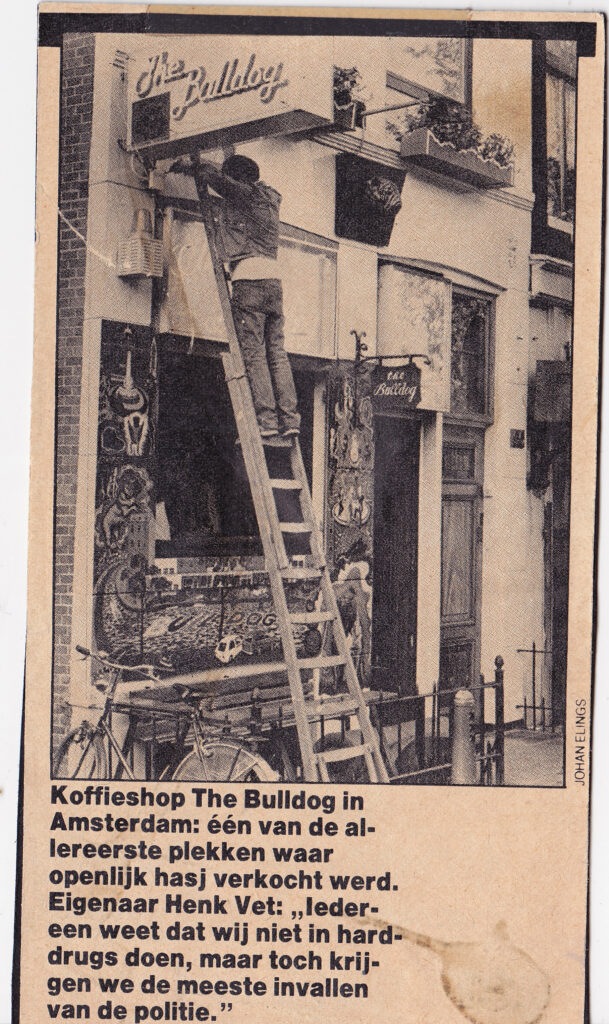
Back then, weed wasn’t legal. Not even close. So, obviously, the police came knocking. Well, more like blended in as a tourist to catch Henk and the boys off guard, sometimes multiple times a day. Plainclothes cops would storm in, hoping to catch something darker. But all they ever found was the same thing: peaceful stoners, a baggie of grass, and a positive attitude. And that’s what threw them.
“We were always polite,” said one of the original dealers, Jan, who was slinging grams behind the counter over 45 years later. “We weren’t hiding anything—just smoking and chilling. And we never got rude. Sometimes we had six or seven raids a day by undercover police. But we always stayed friendly. That’s what saved us, I think. They’d take us to the station and say, ‘These are just nice kids. I don’t get it.’ We were like 19. We didn’t hide. We told them straight: this is all we’ve got, a baggie of weed. That’s it.”
Eventually, even the police clocked on: these weren’t the city’s real problem. Heroin was rising. Aggression was everywhere. But inside The Bulldog, there was only laughter, good hash, and a no-nonsense code.
The Bulldog Rules Came First - The City Just Borrowed
Before the politicians stepped in, The Bulldog had already drawn the lines: “No hard drugs, no alcohol, no aggression, no stolen goods. We stuck to that from the beginning, even before the city did. It kept us safe. It kept the vibe right,” added Jan.
That wasn’t a slogan; it was house rules, and people like Jan were on the front line to make sure it stayed that way. Stick to those rules, and the vibe stayed right. Break it, and you’re out, which is how The Bulldog rolls to this day. Those rules didn’t just keep the coffeeshop open; they set the foundation for the Netherlands’ soft drug policy.
Amsterdam didn’t tame The Bulldog. The Bulldog taught Amsterdam how to handle cannabis because, as Henk De Vries always said, “You have to break the rules to create the rules.”
From Underground to Worldwide
Henk and his mates didn’t set out to change the game. They just wanted a safe place to spark up and bring people together. They weren’t trying to be rebellious. They were trying to be themselves. But that basement in the Red Light District became a global landmark, and The Bulldog became a symbol for everything right about cannabis culture. The police backed off. The tourists kept coming. And now, nearly five decades on, that same energy runs through The Bulldog Seeds heritage with Amsterdam genetics bred for modern growers with roots in the real story.
Still Standing. Still Smoking. Still The Bulldog.
Cannabis culture didn’t fall from the sky. It was built, joint by joint, rule by rule, raid by raid. And at the centre of it all was a crew that never stopped smiling at the law, never stopped serving the people, and never once swapped authenticity for approval. So next time someone asks where cannabis culture started, don’t point to a policy. Point to a basement. Point to the dog on the wall. Point to The Bulldog Amsterdam.
Did You Know? Amsterdam is more than Red Lights
Did you know? The Bulldog at No. 90 was one of the first coffeeshops to be filmed for international documentaries — often without permission, always with pride. And in the early 2000s, some estimates clocked the Red Light District’s footfall at 8 to 10 million people a year — and nearly all of them passed The Bulldog.