
Why Henk Chose These Strains (And You Probably Should Too)

If you’ve ever stepped into one of The Bulldog’s iconic Amsterdam venues, be it the original The Bulldog The First, the vibrant The Bulldog Palace, the rock ‘n’ roll-infused The Bulldog Rockshop, or the welcoming The Bulldog Hotel, you’ve likely thought: “How can I take a piece of this home with me?” We’ve all wanted to bag up The Bulldog Amsterdam vibe in a smell-proof and take it home. Well, now you can sort of do just that and buy the cannabis seeds online. Introducing Henk’s Choice, a handpicked trio of cannabis strains by the man himself, Henk de Vries. He’s gone all George Foreman and found something so good, he’s put his name on it. Henk’s Choice are just seeds; they blend classic Amsterdam vibes and new school USA genetics. These strains are crafted so you can grow legends in your garden. Indoor. Outdoor. Doesn’t matter. These are coffee shop heroes through and through, but here’s why Henk chose these strains, and you probably should too. Meet Henk de Vries: The Man with the Dog Behind The Bulldog Amsterdam Henk de Vries is not just a name; he was at the forefront of a changing cannabis landscape. In 1975, he transformed his father’s old sex shop into The Bulldog Amsterdam, the world’s first cannabis coffeeshop. His vision was simple: create a living room atmosphere where everyone felt welcome, a place to relax, talk, and enjoy quality cannabis in good company. Henk’s rebellious spirit didn’t stop there. He turned a former police station into the Bulldog Palace. He opened a host of The Bulldogs across Amsterdam and in multiple worldwide locations. The Bulldog has gone from strength to strength and this year celebrates its 50th year. Here’s to Henk, time flies when you’re getting high! Joris Pound Cake – Cannabis Seeds The Bulldog Behind The Brand Before there were coffeeshops, before the murals, merch, and mayhem, there was Joris. He was Henk de Vries’ beloved English Bulldog. Needing a name for his soon-to-be world’s first coffeeshop back in the 1970s, Henk looked down, saw that face, and thought: “That’s it.” Just like that, The Bulldog Amsterdam was born, and so was one of the most iconic logos in cannabis culture. Joris wasn’t just a pet; he was the whole vibe. Loyal, solid, a bit cheeky, and hard to ignore. His picture still hangs in every Bulldog around the world, watching over joints, laughter, and the occasional tourist who forgets how potent Dutch cannabis is. So when it came time to name a strain after the dog that started it all, it had to be something special. Enter: Joris Pound Cake. A bold, flavour-packed hybrid that will have you barking with joy. This strain mixes London Pound Cake, Kush Mintz, and Pure Afghani, which means it’s bringing the creamy, sweet, minty goods with that classic Amsterdam heaviness underneath. It’s got presence. It’s got punch and will have you slavering just like its namesake, whether you’re a seasoned local or a wide-eyed first-timer. This strain’s a personal pick for Henk for its flavour, its reliability, and let’s be honest, the name. It’s a proper tribute to the dog that built a coffeeshop empire. Grow it, roll it, spark it, all with a nod to the dog that started it all. Joris Pound Cake You’d be barking to miss this… Joris Pound Cake is a tribute to the pooch that inspired an empire and one of the best hybrid cannabis strains out there. Joris was the dog that started it all. By now, anyone familiar with The Bulldog story will know that our founder, Henk De Vries, was inspired to name The Bulldog after his beloved pet dog, Joris. 3 seeds5 seedsAdd to Cart The Bulldog Cookies – Cannabis Seeds Classic Amsterdam with a New School Twist You don’t build a cannabis empire without knowing what people actually want to smoke. And Henk? He’s been listening for nearly 50 years. One thing that keeps coming up, both in the coffeeshops and behind the scenes, is this craving for the sweetness of cannabis strains. Wave after wave, hybrid after hybrid came our way, but The Bulldog Seeds wanted to take some time and let Henk do his thing: Enter The Bulldog Cookies. This strain is 95% indica, but don’t let that fool you. It’s not about getting so loose you find the crevice of your sofa. It’s about slowing things down just enough to enjoy whatever or whoever is in front of you. It’s dam tasty too. Sweet, earthy, and a bit nutty. A bit like Amsterdam itself on a quiet Tuesday night. The Bulldog Cookies Le chien mange le cookie… The Bulldog Cookies is a well-balanced sativa hybrid with all the characteristics of a classic cookie strain and plenty of unique features that make it one of the rarest phenotypes in the TB Seeds collection. 3 seeds5 seedsAdd to Cart Why did it make the cut? Because it captures both sides of The Bulldog. It’s grounded, old-school, and reliable, but it still has that Cali-style flair that’s been creeping onto Amsterdam menus. It’s what you roll when you want something social, chill, and capable of shutting down an overactive brain. Grow-wise, it’s solid. Easy to manage, responds well indoors and out, and flowers in under 9 weeks. It’s the kind of plant that doesn’t cause drama; it just produces big, frosty flowers and delivers a mellow buzz that lingers in all the right ways. Henk picked this one for the same reason he opened the world’s first coffeeshop: people deserve quality, without the nonsense. The Bulldog Cookies don’t shout. It sparkles, and you will see it outshine everything in your grow room if you grow it. TB Amnesia – Cannabis Seeds The Haze That Doesn’t Forget Where It Came From Ask anyone who knows their way around an Amsterdam coffeeshop menu, and they’ll tell you: Amnesia Haze is royalty. It’s sparked deep thoughts, loud debates, and more than a few wrong turns
The Bulldog Amsterdam No.90: The World’s First Coffeeshop
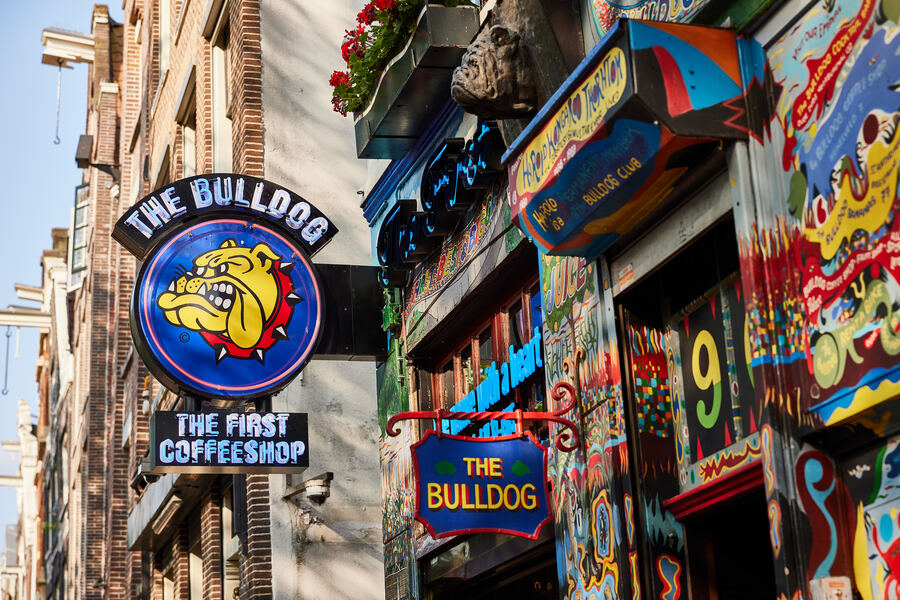
Amsterdam, the city of canals, crooked houses, and that unmistakable Red Light glow. Behind the postcards and party snaps, there’s a piece of history that changed cannabis culture forever. It all kicked off in 1975 when Henk de Vries, a rebellious Amsterdammer with a nose for trouble and an eye for opportunity, turned his dad’s old sex shop into something the world had never seen before: a coffeeshop that actually sold cannabis over the counter. No secret knocks, no dodgy backrooms, just the best hashish, good company, and a living room that welcomed everyone. The Bulldog No.90 or The First, as it is known, didn’t just break the glass ceiling, it shattered it. From police raids and stash stools to oranges rolling down the hatch and queues snaking out the door, this little spot in the Red Light District became the premier coffeeshop and a cannabis icon. In this blog, we’re rolling back the years to tell the history of The Bulldog Amsterdam No.90, how it helped shape Amsterdam’s legendary coffeeshop scene, and why it’s still a must-see stop for locals, tourists, and cannabis lovers alike. From Sex Shop to Cannabis Landmark: How Henk de Vries Changed Amsterdam The story of the world’s first coffeeshop doesn’t actually start with cannabis or coffee. It starts with porn. When Henk de Vries inherited his father’s sex shop at No.90 Oudezijds Voorburgwal, he was less than impressed with the business and the kind of customers it attracted. Henk, never one to back down, tried to return the stock, only to be offered a laughable 10% of what he’d paid. True to rebellious form, Henk didn’t just walk away quietly; he made a statement. In a move that would set the tone for everything to come, he dumped the shop’s entire porn collection onto the streets and into the canal. Clearing out the sex shop was just the warm-up act to the main event. Henk was already eyeing something bigger, such as tapping into Amsterdam’s underground energy and helping define its future. And the first spark? It came a few years before the porno debacle at a music festival, of all places. Inside The Bulldog’s first-ever coffeeshop — where global cannabis culture got its groove. The Festival That Sparked a Cannabis Empire: Kralingse Bos, 1970 Before The Bulldog Amsterdam became the king of coffeeshops, Henk de Vries had a little ‘lightbulb moment’ or maybe we should call it a ‘matchbox moment.’ Flashback to 1970 at the Kralingse Bos Festival in Rotterdam. Picture it: 150,000 people vibing to Jefferson Airplane, Santana, and The Byrds, and somewhere in the haze, there’s Henk, already the guy you wanted to know if you were looking for a good time. Henk had generously supplied his mates with enough grass to keep them floating through the weekend. Then something unexpected happened. Someone tried to sell Henk back his own stash. Most people would laugh it off (or roll one and forget about it), not Henk. Annoyed but inspired, he realised two things: There was a serious demand for quality cannabis. His friends were sneaky and greedy. Without missing a beat, Henk raced back to Amsterdam, scooped up over a kilo of African grass, packed it into empty matchboxes, and drove straight back to the festival. There, perched on a little bridge, he set up shop. He started selling those matchboxes, sparking the idea that would later become The Bulldog Amsterdam empire. Inside the World’s First Coffeeshop: The Bulldog No.90 Opens in 1975 By the time Henk rolled back into Amsterdam after his Kralingse Bos lightbulb moment, one thing was clear: the man wasn’t just slinging grass; he was about to change the game, even if it was to be a few more years before the birth of The Bulldog First. Inspired by the old Dutch teahouses, where you could sip tea for free and “donate” to the house dealer for a bit of hash on the side, Henk figured: why not cut the dance and sell the good stuff over the counter? So in 1975, he took his father’s old sex shop at No.90, cleared out the last dusty VHS tapes, and transformed the place into something totally new: a coffeeshop. And no, we’re not talking flat whites, turmeric lattes, or whatever hipster nonsense came later; this was strictly hash, joints, and maybe a coffee if you remembered to order one. He wanted a spot that felt like a living room, comfy, familiar, where the neighbourhood and the world could meet over a joint. A place with an international vibe and no pretensions. Just cannabis, conversation, and a little bit of controlled chaos. That’s how The Bulldog No.90 and the world’s first coffeeshop was born: part living room, part revolutionary act, part let’s see what we can get away with. It didn’t take long before the place became a magnet for locals, travellers, and the occasional curious cop. The Early Days: Raids, Oranges, and Stash Stools Amsterdam in the ’70s might seem liberal in hindsight, but back then, selling cannabis wasn’t allowed, which meant Henk and his crew were pretty much running a nonstop game of cat and mouse with the police. And oh, did the police come to play. In its first year, The Bulldog got raided so often it could’ve handed out loyalty cards. We’re talking up to 1,000 police raids in that first year alone, sometimes five times a day. Picture 20–30 officers storming in, grabbing the stash, hauling customers off to the cells at Leidseplein, and handing out fines like confetti. Here’s the thing: customers would be back at The Bulldog an hour or so later, fine in hand, ready for round two, and Henk, being the businessman he was, would replace the goods they lost. Try finding that on TripAdvisor: five stars and a fresh eighth Of course, Henk and his crew weren’t about to make it easy for the cops. Whenever a raid was incoming, staff would send an orange rolling down the
Understanding Cannabis Genetics: What’s the difference between Indica, Sativa, and Hybrids
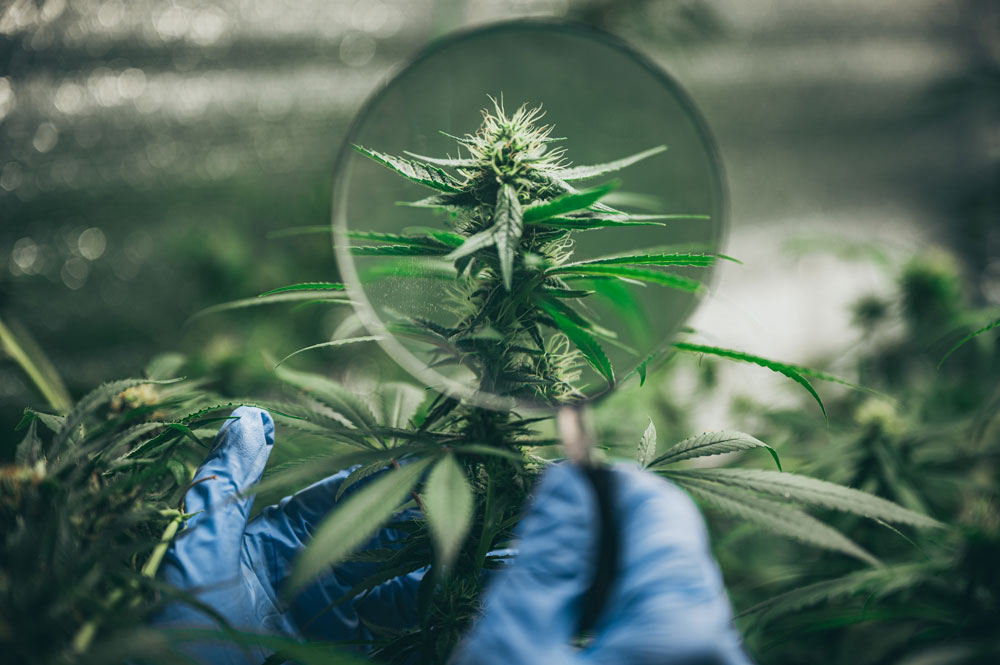
When shopping for cannabis seeds online, you’ve probably noticed the terms indica, sativa and hybrid and wondered what the difference is. And it’s a good question. With so many cannabis seeds to choose from, understanding cannabis genetics is essential. Using those three terms or plant classifications supports growers in making informed decisions. Cannabis seeds aren’t just flashy packaging and cool branding; they are developed on generations of plant genetics that decide everything from aroma and THC content to flavour to plant size and the high you can expect. We use the labels indica, sativa and hybrid to describe the dominant traits of a strain. Typically, indicas are known for relaxing body effects, and sativas tend to bring creativity and energy. At the same time, hybrids balance the best of both. In this blog, we will break down the difference between indica, sativa and hybrids, how these genetics shape their growth and effects and how to find the ideal cannabis seed for you. Whether you’re new to growing or just want to learn more about what you’re rolling up, TB Seeds has got you covered. Table of Contents Did you Know? The labels indica and sativa no longer define cannabis plants in a botanical sense but are still used as valuable indicators of the potential effects of a plant. Due to generations of crossbreeding, nearly all strains are now technically a hybrid. Still, the labels are still helpful in describing a strain’s dominant traits, such as high-energy sativa or couch lock indica. The labels indica and sativa no longer define cannabis plants in a botanical sense but are still used as valuable indicators of the potential effects of a plant. Due to generations of crossbreeding, nearly all strains are now technically a hybrid. Still, the labels are still helpful in describing a strain’s dominant traits, such as high-energy sativa or couch lock indica. What are Cannabis Genetics? Cannabis genetics refers to the inherited characteristics passed down from parent plants. These genetic traits influence everything in some form, from plant height and growth structure (tall and lanky vs short and bushy). Genetics dictate the flowering time of a plant (short vs long), the yield size, a plant’s resistance to pests, mould, and disease and how well it copes with environmental stress such as harsh weather. Genetics also influence the fun stuff, like cannabinoid content, terpene profiles, and the overall effect of the high, whether relaxing or energising. Growers and Cannabis Genetics Genetics allow growers to predict how a plant might behave and how it will perform in different conditions. (indoor vs outdoor, warm vs cold). For consumers, labelling genetics helps inform the experience (creative stimulation, pain relief or relaxation and a good night’s sleep). Modern cannabis crossbreeding has created a whole new range of hybrid cannabis strains. Hybrid strains offer more balanced effects than traditional Indica or Sativa varieties. They combine the best traits of the two and produce strains with more balanced effects. This preference for more balanced highs has led to hybrid strains dominating seedbanks. Thanks to selective breeding, breeders are more able to target the traits they or the market desire most. For example, you might cross a sativa with a fast-flowering indica to get a hybrid that finishes faster than a sativa but still delivers the same type of high, only more balanced. Indica Indica-Dominant Indica Genetics: Compact and Fast-Flowering Indica cannabis strains hail from regions such as The Hindu Kush Valley, which weaves between Afghanistan, Pakistan, and India. Some of the most famous strains ever descend from indica genetics, and a few pure 100% indica strains are on the market. They are known as Landrace cannabis strains. A landrace grows naturally, adapting to its environment, and there are both indica and sativa landraces. Still, they are found in opposite parts of the world. Growing Characteristics of Indica Cannabis Strains Indicas grow short (around 1 metre); they form a compact and bushy structure. They produce wide, dark green leaves, develop dense resin-laden flowers, and typically flower in 7-9 weeks. Indicas are ideal for indoor growing but will perform well outdoors due to their resilience and hardy nature. Effects of Indica Cannabis Strains The effects of indica cannabis strains typically include calm, body-heavy effects. They are famous for providing deep relaxation and the infamous couch-lock effect. They are popular with medical patients and those treating pain and seeking muscle relief. For these reasons, it’s common for consumers to indulge in indica strains at night. Still, reports from growers with ADHD indicate Indicas can be effective during the day. Indica Genetics: Compact and Fast-Flowering Indica cannabis strains hail from regions such as The Hindu Kush Valley, which weaves between Afghanistan, Pakistan, and India. Some of the most famous strains ever descend from indica genetics, and a few pure 100% indica strains are on the market. They are known as Landrace cannabis strains. A landrace grows naturally, adapting to its environment, and there are both indica and sativa landraces. Still, they are found in opposite parts of the world. Growing Characteristics of Indica Cannabis Strains Indicas grow short (around 1 metre); they form a compact and bushy structure. They produce wide, dark green leaves, develop dense resin-laden flowers, and typically flower in 7-9 weeks. Indicas are ideal for indoor growing but will perform well outdoors due to their resilience and hardy nature. Effects of Indica Cannabis Strains The effects of indica cannabis strains typically include calm, body-heavy effects. They are famous for providing deep relaxation and the infamous couch-lock effect. They are popular with medical patients and those treating pain and seeking muscle relief. For these reasons, it’s common for consumers to indulge in indica strains at night. Still, reports from growers with ADHD indicate Indicas can be effective during the day. Indica cannabis strains hail from regions such as The Hindu Kush Valley, which weaves between Afghanistan, Pakistan, and India. Some of the most famous strains ever descend from indica genetics, and a few pure 100% indica strains are
Is TB Amnesia the most Amsterdam Cannabis Strain Ever?

When you think of Amsterdam, what comes to mind, The Bulldog or Amnesia? If it’s canals and Tulips. You might not be in the right place. If it’s cannabis culture and the pursuit of the most Amsterdam strain ever that you’re after, welcome home. Few things embody Amsterdam like The Bulldog and Amnesia’s citrus punch. At TB Seeds, we’ve perfected that experience with TB Amnesia, an icon. Amnesia Haze is as synonymous with Amsterdam as the No.90 and the Red-Light District. But what makes Amnesia the most Amsterdam strain ever? And how has TB Seeds taken it to the next level? Say hello to TB Amnesia! A strain that doesn’t just belong in Amsterdam but thrives in it. A tribute to two cannabis titans: the city of Amsterdam and The Bulldog. TB Amnesia is a modern classic that still dominates coffeeshop menus. One would not be the same without the other. Amnesia Haze is known to hit like a double espresso, fuel creativity, and keep the party going; TB Amnesia is the stuff of legend. But does it deserve the title of the most Amsterdam strain ever? Let’s dive in and find out. Classic Amsterdam Strains Amsterdam is home to some of the most legendary cannabis strains. Still, few have achieved the iconic status of Amnesia Haze. TB Amnesia honours its legendary roots but with added bite and bark for a new generation of smokers and growers. Genetics & Origins Born from the legend of Amnesia Haze, TB Amnesia carries the same sativa-dominant energy that has won many awards for Amnesia. By refining its genetics, TB Seeds has a phenotype of which to be proud. After years of serving the finest Amnesia in Amsterdam, it is time to grow some. TB Amnesia comes from the most stable and resilient cut phenols. Our breeders refined this perfect fusion of heritage and cannabis culture. Flavour Profile TB Amnesia is a treat for the senses. The Haze aspect explodes, unloading a zesty citrus punch on the nose. The sweet lemon lime fusion floats and fills the air with a tangy aroma you can almost taste. All that zest is complemented by the earthy haze undertones from the famous Skunk plants that birthed this citrus beast. TB Amnesia is a bold, smooth, yet refreshing experience. Potency & Effects Regarding classic Amsterdam strains, TB Amnesia has to be one of the most potent. It’s like a non-stop night train that never stops. A true sativa powerhouse that delivers cerebral energy by the bucket and hands out creative inspiration like food to the poor. TB Amnesia is the perfect companion whether navigating the streets of Amsterdam, chatting with friends or dusting off your paintbrushes. Just one toke, and you’ll understand why this strain is a modern Amsterdam legend. Growing TB Amnesia: A Cultivator’s Dream TB Amnesia isn’t just the most Amsterdam strain ever; it’s a grower’s goldmine. Amnesia Haze has long been the go-to for commercial operators. Still, whether you’re a seasoned pro or a first-time grower, this strain delivers big yields, vigorous growth, and that signature Amnesia potency with a refined, stable genetic profile. Growth Characteristics This sativa dominant is a genuine powerhouse. Like so many of its predecessors, TB Amnesia grows tall and fast, producing long resin-heavy colas ideal for high-output growers. It is resilient and highly resistant to pest mould and mildew. Expect dense, frosty flowers that hit heavier than a champion boxer. Indoor Cultivation For those growing indoors, TB Amnesia thrives under high-intensity lighting (600W-1000W HPS or LED) and benefits from topping and LST (low-stress training) to maximize yield in limited space. Flowering Time: 9-12 weeks Average Yield: Up to 450g/m² Best Techniques: SCROG (Screen of Green) and LST to control height while boosting sideways growth. Outdoor Cultivation If you are lucky enough to live somewhere, you can grow outside. TB Amnesia flourishes in warm, sunny climates. This sativa beauty can reach impressive heights with proper space and care, delivering massive yields by late October. Ideal Climate: Mediterranean-style, warm, long summers Harvest Time: Mid to late October. Yield Potential: Up to 700g per plant under ideal conditions. Final Tokes: Amsterdam is a city of history, culture and legendary cannabis strains. Few strains represent that better than TB Amnesia, a tribute to The Bulldog, Amnesia Haze and the City itself; TB Amnesia is a piece of Amsterdam you can experience anywhere. TB Amnesia – Feminized What’s your name again….? The Bulldog Amnesia is a specially selected cut of one of the finest Amnesia phenotypes. TB Amnesia is rich with classic Amnesia traits, proving popular with those looking for an easy plant to grow that will produce a high yield. 3 seeds5 seedsAdd to Cart
Mastering pH Level: Mills Nutrients x The Bulldog Seeds

Mills Nutrients and The Bulldog Seeds are back with another growing essential: mastering pH level. Mastering pH level of any growing medium is just as crucial as getting the proper nutrients, lighting, and airflow. pH determines how well your plants take on board and absorb nutrients. Too low or too high, your plants will lose key nutrients, leading to deficiencies and stunted growth. The Mills Master Grower method ensures optimal nutrient uptake by varying pH levels rather than sticking to one fixed value. Here’s how to do it right in soil, coco, and hydroponic setups mastering pH level for Growing in Soil (Optimal Range: 6.0 – 6.5) Why Vary pH when growing cannabis? Macro and micronutrients absorb best at different pH levels. A slight variation prevents nutrient lockout and buildup and helps get the most from your plants. The Master Grower pH Cycle for Soil Water with nutrients at pH 6.0 Next watering: Only water (no nutrients) at pH 6.3 Then, feed with nutrients at pH 6.5 Followed by another watering (no nutrients) at pH 6.3 Repeat this cycle throughout the entire grow Master Grow Bonus Tip: Water plants regularly without nutrients to prevent the soil’s buildup of salts and minerals. mastering pH level for Growing in Coco & Hydroponics (Optimal Range: 5.5 – 6.0) Why adjust pH Once a Week when growing cannabis? Coco and hydro growers typically keep pH between 5.5 and 6.0, but raising pH to 6.5 once a week helps unlock a broader range of nutrients. The Master Grower pH Cycle for Coco & Hydro Water with nutrients at pH 5.5 Next watering: Only water at pH 5.8 Then, feed with nutrients at pH 6.5 (once a week to maximise absorption) Followed by another watering (no nutrients) at pH 5.8 Repeat this cycle throughout the entire grow Does Water Temperature Matter? Yes, like with the general temperature of your growing environment, if you get the temperature of the water you use wrong, it can cause issues with plant health. Do not use lukewarm water—it doesn’t rain lukewarm outside. Ideal water temperature: 20°C is ideal for optimal root health and plant oxygen levels. Mills Nutrients Master Grower x Bulldog Seeds The Mills Master Grow tips are based on years of experience and expertise. Follow this guide for maximum nutrient uptake and grow stronger, healthier plants. Whether in soil, coco or hydro, getting the pH level right is vital to getting the most from your harvest. Master pH levels. Master your grow. Grow your legend with Mills x Bulldog Seeds.
The Bulldog Palace: Amsterdam’s Most Iconic Cannabis Coffeeshop

One of Amsterdam’s worst-kept secrets is that you can get high in an ex-police station. Yes, you know it, we know it, everybody knows it. The Bulldog Palace at Leidseplein isn’t just a coffee shop; it is an iconic cannabis location with a quirk and an arresting history. Once home to the long arm of the law, Leidseplein 15’s transformation into a coffeeshop wasn’t just out of the blue; it was a game-changing moment for Amsterdam’s cannabis scene. Turning a police station into a place where you could legally blaze up? That’s peak Amsterdam vibes. And right at the centre of it all? The Bulldog, naturally. The Bulldog Palace isn’t just any old coffeeshop. It’s got layers. A grand café, a souvenir shop, and the legendary coffeeshop itself. Each has its own entrance, buzzing with Amsterdam’s locals, tourists, and artists. There’s the occasional celeb; they all roll through to soak up a bit of history with their haze. So how did a place once built to lock people up become the ultimate drum beater for cannabis culture in Amsterdam? Simple: Henk de Vries saw the potential, sparked the change, and made history. Let’s look back at where rebellion met bricks and mortar and cannabis culture moved in. The Bulldog Palace at Leidseplein isn’t just a coffee shop; it’s a cannabis icon with an arresting history. The Bulldog Palace: A Very Dutch Twist on Cannabis Culture Before it was a hotspot for stoners and selfies, Leidseplein 15 was the last place you wanted to end up with a joint in your pocket; it was the cannabis Death Star: a fully operational police station. Yes, suits, cells, and all. So when it went up for auction in the mid-80s, who else but Henk de Vries was going to bag it? In 1985, Henk did what only Henk could do. He bought the cop shop. Yes, the same one he’d been dragged into more than once, turning it into a place for good times only. And just to really twist the knife? He opened it on April 1st. That’s right, it was April Fools. A personal joke at the expense of the same authorities who used to haul him in. Classic Henk. It wasn’t just cheeky. It was iconic. Amsterdam was already pushing boundaries, and Henk doubled down, flipping the bird to outdated laws. Henk flew a flag for cannabis culture right where the law used to live. You couldn’t script it better. A coffeeshop in a former police station? That’s not just funny – it’s stoner history. Leidseplein: Amsterdam’s Cannabis Playground of Culture and Chaos Before the smell of hash wafted through the square, Leidseplein was already a magnet for Amsterdam’s wild side. Think street performers, theatre-goers, night owls, and late-night snack hunters, all colliding in one of the city’s liveliest spots. It’s where cultures mix, stories start, and occasionally, someone loses their dignity at 3 a.m. But that buzz? That energy? It’s precisely what made it the perfect place for The Bulldog Palace. Right across from the historic Stadsschouwburg theatre, Leidseplein has always been centre stage literally. Bands, poets, punks, ravers, comedians, and film stars have all passed through. It’s been featured in music videos, travel docs, and the odd dodgy comedy special. The square has seen it all, and the Bulldog’s been front row. As the city leaned into its identity as a global hub for cannabis culture, Leidseplein didn’t just keep up; it led the charge. The Bulldog Palace became a kind of landmark in the madness, a place where tourists could come down from the chaos and light one up in peace. And locals? They knew the vibe already. Good weed, good people, and a backdrop that’s pure Amsterdam. So when you’re sitting outside the Palace with a joint in one hand, fresh orange juice in the other, and stroopwafel crumbs on your shirt, remember, you’re part of a long, loud, and proudly weird tradition. Leidseplein isn’t just a square. It’s the pulse of the city. And the Bulldog Palace is the beating heart. Leidseplein isn’t just a square. It’s the pulse of the city. And The Bulldog Palace is the beating heart. Famous Faces at The Bulldog Amsterdam: Celebs Who’ve Lit Up in Amsterdam You never know who you’ll bump into at The Bulldog Palace, and we’re not just talking about wide-eyed tourists or local legends. We’re talking global icons, people with platinum records, championship belts, and Netflix specials. Over the years, everyone from hip-hop royalty to Hollywood heavyweights has passed through those doors. Snoop Dogg? Obviously. There’s even a clip floating around YouTube of the Doggfather himself cruising out of the Palace looking exactly how you’d expect, chill as hell and grinning like a man who’d just sampled the good stuff. And he’s not the only one. Mariah Carey swung by. So did Floyd Mayweather, Kevin Hart, and the Red Hot Chili Peppers. Even The Outlaws (of Tupac fame) have soaked up the vibe inside and shot a music video. You don’t need a backstage pass; it’s just good timing and a little bit of luck. The Bulldog Palace doesn’t chase fame; it attracts it. The location, vibe, and story all add to a space that’s more than just a coffeeshop. It’s a piece of living cannabis culture. That’s why it keeps popping up in music videos, documentaries, and travel shows. And while some famous faces are happy to pose for a photo, others slip in quietly, grab a smoke, and disappear into the crowd. We won’t name names if they don’t want to; this place has always been about freedom, not flashbulbs. But let’s just say… if the walls could talk, they’d be rolling in it. Inside The Bulldog Palace: Coffeeshop, Café & Cannabis Culture in One Step into The Bulldog Palace, and you’re not just walking into a coffeeshop. You’re entering a full-blown Amsterdam experience. This isn’t some hole-in-the-wall with a dusty menu and a flickering neon sign. This is The Bulldog Palace,
Germination Guide

What is Germination? Germination is the biological process that activates a dormant cannabis seed, signalling it to grow into a seedling. When exposed to the right conditions (moisture, warmth, darkness, and oxygen), the seed absorbs water, swells, softens and eventually cracks open. This allows the taproot (the plant’s first root) to emerge and anchor itself into the growing medium. Germination is the biological process that activates a dormant cannabis seed, signalling it to grow into a seedling. When exposed to the right conditions (moisture, warmth, darkness, and oxygen), the seed absorbs water, swells, softens and eventually cracks open. This allows the taproot (the plant’s first root) to emerge and anchor itself into the growing medium. Step-by-Step Guide to Germinating Cannabis Seeds Step 1: Select High-Quality Seeds When you order cannabis seeds online from TB Seeds. You get healthy, mature brown, firm, and uncracked seeds that set you up for the best germination success. Cannabis seeds that are soft, pale or damaged may not germinate. Step 2: Choose Your Germination Method & Prepare Materials The next step is to choose a germination method that suits your setup and experience level. Germination Methods: Paper Towel Method (Most common & effective) Direct-to-Soil Method (Preferred by organic growers) Water Glass Method (Quick pre-soak for tough seeds) Rockwool or Jiffy Pellets (Great for hydroponic grows) Step 3: Gather the supplies See below the list of everything you’ll need, no matter your chosen method. Paper towels (for paper towel method) Distilled or pH-balanced water Tweezers (to handle seeds carefully) Small plate or container Rockwool cubes or Jiffy pellets (for hydroponic methods) Seedling heat mat (optional, but helpful in maintaining warmth) Step 4: Germinate Paper Towel Method (Common) For this example, we will use the most effective and standard method of germinating cannabis seeds, the paper towel method. Place seeds between two damp paper towels (not dripping wet). Lay them on a plate, cover them with another plate, or place them in a sealed plastic bag to maintain humidity. Keep in a warm (20-25°C), dark place like a cupboard or drawer. Check daily. The seeds should sprout within 2-5 days. Soil Method (Natural & Beginner-Friendly) This one is the easiest one to perform. Plant the seed directly into lightly moist soil, about 1cm (½ inch) deep. Cover the hole loosely with soil—don’t compact it too much. Keep the soil moist but not soaked, and maintain a warm temperature (20-25°C). Expect sprouting within 4-7 days. Water Glass Method (Pre-Soak for Tougher Seeds) Here is another method requiring the taproot to be transplanted once the cannabis seed has germinated. Fill a clean glass with lukewarm, distilled water. Drop the seed inside—if it floats, gently tap it down. Allow the seed to soak for 12-24 hours, but no longer to avoid drowning. Once the seed sinks or cracks open, transfer it to soil or the paper towel method. Rockwool/Jiffy Pellets (Best for Hydroponic Grows) Using Rockwool or Jiffy Pellets might appeal to you if you grow hydroponic. Pre-soak rockwool cubes or Jiffy pellets in pH-balanced water (5.5-6.0). Place the seed inside the medium in a warm, humid environment. Ensure consistent moisture and warmth for the best results. Step 5: Transplanting Sprouted Seeds This next step requires the grower to be gentle, and it is where the tweezers come in handy. Once the taproot reaches 1-2 cm (½-1 inch), it’s time to transplant. Handle seeds with tweezers, not fingers, to avoid contaminating or damaging the taproot. Place the seed taproot in its final medium (soil, coco, or hydro). Cover gently and keep conditions warm and slightly humid. Step 6: Don’t make these common germination mistakes Germination is simply, but it can go wrong. Avoid these common germination mistakes to ensure your crop gets off to the best start. Overwatering – Too much moisture can lead to seed rot. Keep paper towels damp, not soaked. Wrong Temperature – Too cold (<20°C) or too hot (>28°C) can slow or prevent germination. Touching the Taproot – Always use tweezers; oils from your fingers can damage delicate roots. Planting Too Deep – 1cm is ideal; planting deeper may cause slow or weak growth. Step 7: Germination After Care The job is not done just because the seed is sprouting. There are extra steps you can take to look after baby seedlings. Provide gentle light (CFL or LED) 18-24 hours daily to prevent stretching. Keep humidity at 65-70% to promote healthy early growth. Water sparingly. Overwatering can cause damping off (a fungal disease that kills seedlings). Avoid nutrients in the first 1-2 weeks. The seedling has all the nutrients it needs from the seed shell.
Enzymes: Modern Cultivation and Plant Health
The road to healthier, high-yielding plants and higher-quality nutrients has led growers to learn more about the science of growing, particularly plant metabolism and nutrition. But that means you need to understand how to improve plant performance. The best place to start is with enzymes, which are probably the most effective tool for plant nutrition. Enzymes are the biological catalysts that break down organic matter, improve nutrient availability and encourage healthy roots. Understanding enzymes’ role is crucial to improving plant performance regardless of the medium you grow in, whether it’s soil, hydroponics or coco. What Are Enzymes? Enzymes are proteins in the plant that trigger biochemical reactions without being consumed. They are what break down the complex materials a plant needs to support the roots and absorb maximum nutrients. The Role of Enzymes: What do Enzymes do? Break down dead plant matter: Plants not only shed leaves but roots. This leaves behind debris that is broken down by the enzymes through decomposition. The breaking down of the debris prevents root rot and the buildup of pathogens. This process keeps the root system clean. Nutrient Efficiency: Enzymes help our plants get the most from nutrients. They work by breaking up nutrients into friendly sizes. Support Soil and Substrate Health: Enzymes work to promote microbe activity that is beneficial for plants. The enzymes reduce harmful organic residue and waste buildup. Increases Stress Resistance When plants suffer from drought, overwatering, or changes in feeding, enzymes help them deal with stress. Enzymes increase stress resistance by supporting stronger root and shoot development. Organic Recycling Recycling isn’t just something humans do. Plants do it as well. Enzymes recycle by speeding up the breakdown of compost and other organic materials. The breakdown releases nutrients bound in the soil, an essential component in supporting plants that are not up taking nutrients. Enzymes Used in Growing: Cellulase (Breaks down cellulose in dead roots) Protease (Converts proteins into amino acids.) Lipase (Decomposes fats and oils in soil and hydroponics.) Amylase (Breaks down starches into sugars for microbial growth). How Do Growers Use Enzymes? Common ways growers use enzymes to support plant health and performance include root cleansers or supplements paired with microbial additives and during flushing to remove salt buildup. Conclusion: The more you know, the better you grow, and now you know enzymes play a crucial role in modern growing. They improve plant growth, nutrient efficiency and substrate health. No matter if you grow organic, hydro or traditional soil farming, enzymes help plants thrive. Enzyme supplements can enhance root health, boost yields, and optimise the nutrient cycle.
The Bulldog Seeds x Mills Nutrients Master Grower: What’s the ideal temperature when growing cannabis?
Combine legendary cannabis genetics with cutting-edge nutrients, and what do you get? The Bulldog Seeds x Mills Nutrients Master Grow collab. The Bulldog Seeds is teaming up with Mills Nutrients to bring you the best and most informed growing tips you’re likely to come across. Mills has some of the best growers and is involved in some of the most innovative projects in cannabis today. Through this collaboration, TB Seeds and Mills will break down growing essentials, starting with one of the most overlooked growing factors: the best temperature for cannabis growth. Quick Answer: The best temperature for growing cannabis depends on the stage. During veg, keep it warm: 24°C – 28°C in the light and around 21°C in the dark to push strong growth. Once flowering kicks in, lower it to 20°C – 24°C (light) and 17°C (dark) to boost trichome production and lock in terpene-rich flavours. Steady as she goes because your plants will feel too much fluctuation. What is the ideal temperature for growing cannabis plants? Growers often overlook things like temperature when setting up a grow room. Not monitoring the temperature can cause problems from plant shock to heat stress, but maintaining the optimal temperature for cannabis plants is not as complicated as it might seem. The first thing to be considered is that the ideal temperature for growing cannabis plants varies depending on the growth stage. Vegetative: Building Strong Foundations During the vegetation stage, which usually lasts until the end of week 3, the temperature should be at 24°C – 28°C during the light time, which is generally 18 hours, and around 21°C during the 6 hours of darkness. Flowering (Week 4 Until Harvest): Unlocking Potency & Flavour During the flowering phase until harvest, the plants should be exposed to 12 hours of light and 12 of dark. During this phase, the plants should be kept at around 20°C – 24°C during light and around 17°C during dark. Why Cannabis Plants Need Cooler Temps During Flowering? Lowering the temperature in the grow space during flowering will slightly improve things like trichome production, colour expression, and terpene profiles. It mimics the plant’s natural environment, triggering deeper hues and resin production, resulting in more potent flowers. Optimal Temperature for Cannabis Plants Cannabis plants are resistant, but they don’t like fluctuations in temperature, and if it gets too cold in your grow room, your plants will go into shock. Ensure the temperature of your grow room never drops below 16°C or exceeds 30°C. Reaching over 30°C, except for growers using CO₂, will produce fluffy buds with reduced density, potency, and terpene content. What is The Best Temperature for Drying Cannabis? Post-harvest is arguably the most critical stage of growing cannabis, so you want to make sure you get the temperature right when drying cannabis flowers. Dry your freshly harvested cannabis in a completely dark but aerated place for 12-14 days at 18°C. Don’t be tempted to rush this process because it will reduce the smell, taste, colour and potency. Why Mills Master Grower x Bulldog Seeds? The legend keeps growing, and this collaboration is built to support you in growing your own legend. This collab isn’t just about big yields; it’s about growing the best, high-quality genetics with precision and expertise. Mills Nutrients provides growers with what they need every step of the way, from seedling to cure; Mills x Bulldog Seeds is the perfect balance of culture and innovation. It brings together years of expertise in genetics and nutrition to ensure every grower, whether a novice or an old pro, can get their best harvest yet. Grow smarter. Grow stronger. Grow your own legend with Mills and The Bulldog Seeds.
Why Grow Cannabis Outdoors: Essential Tips

When it comes to growing cannabis, it’s not all about growing indoors. Sure, indoors, you can grow all year, but nothing beats growing cannabis outdoors with the support of nature. Outdoor growing is ideal if you want to keep the cost down and avoid buying expensive equipment. The resources provided by nature lead to big yields and tasty plants, and you don’t have to worry about space or clearing a spare room to grow. But as good as all that is, there are some points to look out for and key things you should know if you want to grow cannabis outdoors. 1. Choosing the Best Cannabis Strains for Outdoor Growing Growing a bumper crop starts by choosing the right strain. Consider where you live. Is the climate warm or cold? Do you get long or short summers? If you’re in Amsterdam or that general area of Europe, play it safe and grow autoflowers. Autoflowers get their name because they automatically flower, no matter how much sunlight they get. That ability makes autoflowers ideal for growing cannabis outdoors. Strains like TB Lemon Haze Auto is a perfect example. But suppose you live in a warm climate with long summers. In that case, you can opt for autos, regulars like Sour Diesel, or feminized ones such as TB Runtz, but be aware that some strains are better suited to growing outdoors. You can’t go wrong by looking for traits like mould resistance and fast flowering. 2. Finding the Perfect Outdoor Growing Spot For example, with a good vacation, choosing the best spot to grow outdoors is all about location, location, location. To get a successful harvest outdoors, plants will need at least 6+ hours of sunlight daily and protection from the elements like strong wind and rain. Animals and, of course, prying eyes and nosy neighbours. Other considerations include whether the spot has good drainage and water access. The last thing you want is to carry gallons of water to your plants during a drought. 3. Soil and Nutrients for Outdoor Cannabis Just because you’re growing cannabis outdoors doesn’t mean you can’t supplement your soil with nutrients. Plants need rich, well-draining soil to thrive. They want to water deeply but not constantly, and they also like it if growers don’t overdo it on the nutrients. Nitrogen, especially, can be added to the soil by other plants, such as broad beans. It could be worth testing the soil for reading; that way, you can have more control over what your plants absorb. 4. When to Plant Cannabis Outdoors for Maximum Yield Depending on your region, the best time to sow seeds is after the last frost. Cold and frost will kill any seedlings, so waiting for the early days of spring is better. The key things to consider are that the ideal time for vegetative growth is early summer, and flowering is late summer/early autumn. Unless it’s autoflowers, they will start flowering after about 21 days from germination. 5. How to Protect Outdoor Cannabis from Pests and Mould One of the biggest challenges to growing cannabis outdoors is pests and mould, such as aphids, spider mites, and powdery mildew. If the environment gets wet and damp, the plants may develop mould. If it’s too hot or there are not enough companion plants in the area, cannabis plants can attract a range of pests that can blight your harvest. Research companion plants and maybe plant a few sacrificial plants to save your cannabis plants. However, you should also prune your plants and ensure airflow to prevent humidity build-up. 6. How to Harvest Outdoor Cannabis at the Right Time Knowing when to harvest is critical to a smooth and flavourful experience. Get it wrong, and you could end up with an underwhelming harvest. The best way to tell if your plant is ready to harvest is to get a microscope and check the trichomes (resin glands) and pistils. Trichomes: If the trichomes are clear or like glass, it’s too early, and the high will be less potent. If they are cloudy/milky, this is a sweet spot for most growers. Cloudy/milky trichomes mean maximum potency and a balanced high. However, if the trichomes are amber, the harvest will be more sedative and lean towards body highs. Don’t cut too early; don’t leave it too late. Pistils: The pistils are the hairs that stick out of cannabis flowers. They change as the plant develops, and their colour indicates the best time to harvest cannabis plants. White pistils mean the plant is still growing and is too early to harvest. Brown/orange pistils suggest that the plants are close to harvest time, but when 70–90% of pistils have darkened and curled inward, it’s usually time to harvest. However, don’t rely on pistils alone; they are a good guideline for when to harvest, but trichomes are a better measure. Bonus Outdoor Harvest Timing Tips Check the weather: if cold snaps and heavy rain are forecast, you might want to harvest earlier than planned to avoid mould. Time of day: Harvest in the morning when your plants are least stressed, and terpenes are at their highest. Flush before chopping: it’s the same for indoor growing; you want to stop feeding your plants two weeks before you plant to chop the crop and flush them with plenty of water. Final Tokes: The Bulldog Seeds Outdoor Grower Checklist Whether growing in a backyard, a hidden clearing or a balcony in full sunlight, the key to growing cannabis outdoors is patience and consistency. Choose the right genetics in the work and let nature do the rest. Top Tips to Keep in Mind: Start with quality genetics: You get out what you put in, so choose the best genetics most suited to growing outdoors. Be consistent: Outdoor growing is less forgiving than indoor. Stick to watering schedules and check your plants daily, especially during flowering. Keep it clean: Prune lower leaves and dying growth to improve airflow and reduce mould risk. Inspect regularly: